

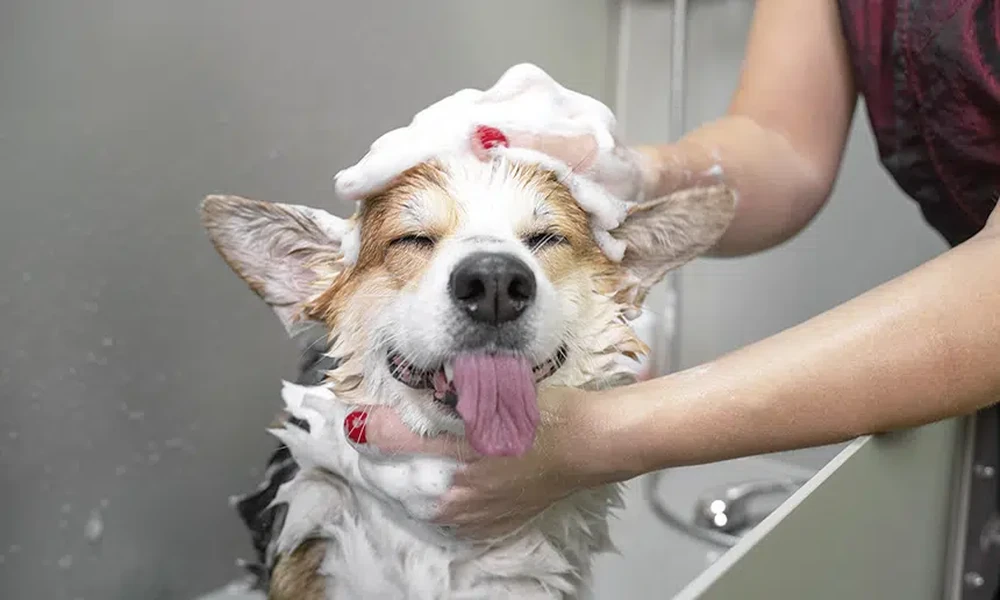
You might be doing your best to keep your pet clean, comfortable, and happy, yet still wonder if grooming is really separate from medical care. It is an easy assumption to make. A bath feels cosmetic, while a vet visit feels clinical. But when your dog starts scratching more than usual, or your cat’s coat looks dull, matted, or thin, that line starts to blur, which is why consulting an East San Jose veterinarian can help. The short answer is simple. Grooming and general veterinary care support each other, and paying attention to both can help you catch problems earlier, prevent discomfort, and protect your pet’s long term health.
For many pet owners, the shift happens gradually. At first, grooming is about shedding, nail trims, or keeping fur off the couch. Then you notice a lump under the coat, red skin near the ears, or a smell that does not go away after a bath. Because of that tension, you might wonder whether this is something a groomer should handle, or whether it is time to call a general veterinarian. In many cases, the answer is both. Grooming helps you see what is changing, and veterinary care helps you understand why it is changing.
Why does grooming reveal so much about your pet’s health?
Your pet’s skin, coat, ears, nails, and teeth often show the first signs of trouble. A healthy coat can reflect good nutrition, normal hormone function, and skin health. Changes in texture, hair loss, dandruff, odor, or sensitivity can point to allergies, parasites, infection, pain, or illness. The Virginia Tech Veterinary Teaching Hospital explains how coat health can reflect a pet’s overall condition, which is why grooming is more than routine upkeep.
Think about brushing, for example. When you brush your pet regularly, you are not just removing loose hair. You are checking for mats, scabs, fleas, ticks, sore spots, and changes in body shape. Nail trims can also tell a story. Overgrown nails may suggest pain, arthritis, low activity, or trouble walking on hard surfaces. Ear cleaning can uncover wax buildup, odor, redness, or discharge that may need treatment.
So, where does that leave you? It means grooming is often the first checkpoint, while pet grooming and veterinary care work together to catch concerns before they become harder and more costly to manage.
What can happen when grooming and veterinary care are treated as separate?
When these two parts of care are disconnected, small issues can linger. A matted coat can hide skin infections. Bad breath can be dismissed as normal, even though it may point to dental disease. Frequent licking may look like a habit, when it is really a sign of allergies, pain, or anxiety. If no one is looking closely, the problem can grow quietly.
This can be hard on both pets and owners. You may spend money on shampoos, wipes, or home remedies that do not solve the cause. Your pet may stay uncomfortable while the issue worsens. And when you finally get answers, treatment may be more involved than it would have been earlier.
Preventive care helps reduce that risk. Regular exams matter because they give your veterinarian a baseline and a chance to track change over time. Virginia Tech’s guidance on pet preventive care shows how routine wellness support can improve early detection and daily quality of life. In the same way, the University of Georgia notes that annual wellness exams help identify health concerns before they become serious. That is the heart of the connection. Grooming helps you notice. Veterinary care helps you confirm, treat, and prevent.
How do grooming and general veterinary care compare in day to day life?
It helps to think of grooming as observation and maintenance, while general veterinary care provides diagnosis and treatment. One does not replace the other. Together, they create a fuller picture of your pet’s health.
| Area of Care | What Grooming Can Do | What a General Veterinarian Can Do |
|---|---|---|
| Skin and Coat | Spot dandruff, mats, hair loss, fleas, odor, and irritated areas | Diagnose allergies, infections, parasites, hormone issues, and prescribe treatment |
| Ears | Notice wax, smell, redness, or sensitivity during cleaning | Examine for infection, mites, inflammation, or deeper ear disease |
| Nails and Paws | Trim nails, find cracked pads, swelling, or soreness | Assess pain, arthritis, injury, infection, or growths |
| Teeth and Breath | Notice tartar, drooling, bleeding gums, or bad breath | Evaluate dental disease and recommend cleaning or treatment |
| Body Changes | Feel lumps, bumps, weight changes, or tender spots while brushing or bathing | Test, diagnose, and treat underlying medical concerns |
In real life, this often looks simple. A groomer or owner notices a hot spot under thick fur. A veterinarian determines whether it is caused by fleas, allergies, moisture, or self trauma. Or a pet resists brushing around the hips, and a vet exam reveals arthritis. That is why grooming and pet health should never be seen as unrelated.
What are the best steps you can take right now?
1. Build a simple home grooming routine. Brush your pet often enough to notice changes in the coat and skin. Check ears, paws, nails, and teeth during the same routine. You do not need a perfect system. You just need consistency. A few focused minutes each week can help you spot changes early.
2. Keep notes when something seems off. If you notice scratching, odor, shedding, licking, lumps, or sensitivity, write down when it started and whether it is getting worse. Photos can help too, especially with skin changes. This gives your general veterinarian clearer information and can speed up the path to answers.
3. Treat wellness exams as part of grooming support. Even if your pet looks fine, routine checkups matter. A clean coat does not always mean a healthy pet, and some problems start where you cannot easily see them. Pairing regular grooming with a general vet visit creates a practical, steady plan for prevention.
How can you move forward with more confidence?
You do not have to choose between appearance and health. For pets, those things are often connected. A shiny coat, clean ears, trimmed nails, and healthy skin are not just about looking cared for. They are signs that someone is paying attention. And when something changes, that attention can make all the difference.
If you have been wondering whether a grooming issue might be something more, trust that instinct and schedule a visit with a general veterinarian. A small concern today is often easier to manage than a larger one later. With steady grooming, routine exams, and a watchful eye, you can give your pet the kind of care that supports comfort, health, and peace of mind.