

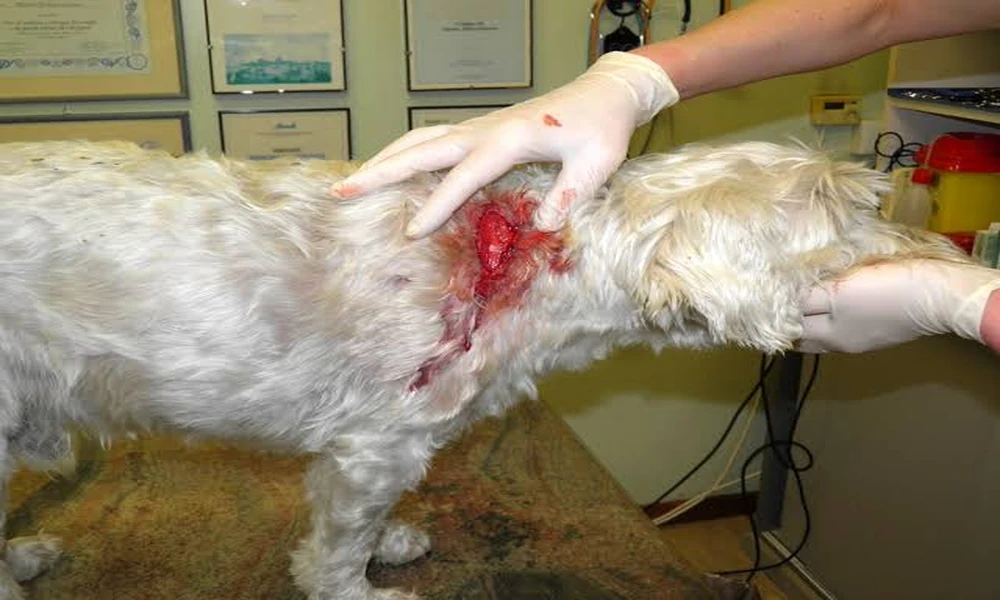
You see a cut, bite, or torn patch of skin on your pet and your mind goes straight to the same place. Is this an emergency, will they need surgery, and did you wait too long? That stress is real, especially when the wound looks raw or keeps leaking. A veterinarian in Robinson, TX can help you determine whether immediate closure or delayed treatment is the better option. The decision between closing a wound right away or waiting is not a minor detail. It affects pain, infection risk, healing time, cost, and the chance that your pet will need more than one procedure.
In many cases, primary wound closure in pets works best when the injury is fresh, clean, and has healthy tissue that can be brought together without strain. Delayed closure is often the safer path when a wound is contaminated, swollen, infected, or missing too much tissue. The right choice depends less on the clock alone and more on what the wound looks like, how it happened, and how your pet is doing overall.
Wound timing shapes the success of veterinary surgical closure
A clean surgical incision is one thing. A dog bite, road rash, puncture wound, or laceration picked up outside is something else entirely. Closing every wound immediately can trap bacteria, dead tissue, and debris under the skin. That is how a repair that looked neat on day one can become swollen, painful, and infected a few days later.
Primary closure means the wound edges are brought together soon after injury, often after clipping, flushing, and removing damaged tissue. It is usually considered when the wound is recent, contamination is low, blood supply is good, and there is enough skin to close without tension. Delayed closure means the wound is managed open for a period of time so drainage, repeated cleaning, and tissue recovery can happen before sutures are placed.
You may hear your veterinarian talk about contamination level, tissue viability, dead space, and tension. Those are not abstract surgical terms. They explain why one pet gets stitches right away and another goes home with bandages first. A puncture wound may look small on the surface but hide crushed tissue underneath. A large skin tear may look dramatic but still be a good candidate for early closure once cleaned and trimmed.
The American Veterinary Medical Association offers continuing education on wound management and reconstruction that reflects this same point. Wound closure is a judgment call based on tissue health, contamination, circulation, and the patient in front of the surgeon.
Delayed wound closure in pets often protects healing when infection risk is high
This is the part that can feel frustrating. You want the wound closed because open wounds look worse, seem more painful, and feel unfinished. Sometimes waiting is exactly what protects your pet. If bacteria are sealed inside, if swelling is still building, or if the tissue is not healthy enough to hold sutures, immediate closure can fail.
Delayed wound closure in pets is often chosen after bite wounds, older injuries, heavily contaminated wounds, and wounds with questionable blood supply. Your veterinarian may flush the area, place a drain, use wet to dry or modern moisture balancing bandages, start antibiotics when indicated, and reassess over several days. That approach can lower the bacterial load and let unhealthy tissue declare itself before final closure.
This can also affect your budget and schedule. Delayed closure may mean repeat bandage changes, sedation for wound care, and a second procedure. Primary closure can look less expensive at first, but if it breaks down and becomes infected, the total cost can climb quickly. A shorter path is not always the safer one.
For pet owners caring for an open injury at home between visits, VCA has a practical guide on the care of open wounds in dogs. The basics matter. Keep the site clean, prevent licking, follow bandage instructions closely, and report swelling, odor, discharge, or increasing pain right away.
Primary closure and delayed closure carry different risks and benefits
| Factor | Primary Closure | Delayed Closure |
|---|---|---|
| Best fit | Fresh, clean wounds with healthy tissue and low contamination | Contaminated, older, swollen, infected, or questionable wounds |
| Main benefit | Faster closure and often shorter healing time | Lower risk of trapping infection or closing nonviable tissue |
| Main risk | Higher chance of infection or dehiscence if the wound is not truly clean | More bandage care, more visits, and delayed final repair |
| Appearance early on | Usually neater at first | Often looks more severe before it looks better |
| Cost pattern | May be lower initially | May spread over more visits and procedures |
| Common examples | Clean lacerations, surgical wounds, some recent skin tears | Bite wounds, contaminated trauma, wounds with tissue loss |
Recent veterinary research continues to examine closure methods, healing outcomes, and wound management variables across species and settings. One example is this peer reviewed AVMA journal article, which reflects how evidence guides treatment choices rather than a one size fits all rule.
This is why veterinary wound closure decisions should not be based on appearance alone. A wound that seems small may need delayed management. A larger wound may be ready for immediate repair after proper preparation. The exam, the cleaning, and sometimes repeat checks tell the real story.
Three steps help you respond well before and after the surgical decision
Get the wound examined early. Time still matters, even when delayed closure ends up being the best option. Early cleaning, pain control, clipping, and assessment give your pet the best chance at a smoother recovery.
Protect the wound from self trauma. Licking, chewing, and rubbing can undo careful treatment fast. Use the e collar, keep bandages dry, and restrict activity if your veterinarian tells you to. A technically good closure can fail if the aftercare falls apart.
Ask what would change the plan. You need to know what signs mean improvement and what signs mean trouble. Ask whether swelling, drainage, odor, redness, fever, or separation of the edges would shift the plan from monitoring to surgery, or from primary closure to delayed management.
The right closure choice supports safer healing for your pet
If you are weighing primary versus delayed closure, you are already in the hard part. You are looking at an injured pet and trying to make the best call with limited information and a lot of emotion. The good news is that this decision has a clear goal. Protect healthy tissue, control contamination, and choose the closure timing that gives the wound the best chance to heal cleanly. Reach out to an Animal Hospital for an exam and a treatment plan that fits the wound your pet actually has, not the one anyone hoped it was.