

You might be feeling that knot in your stomach that shows up when your pet is coughing, sneezing, vomiting, or suddenly too tired to act like themselves. One worry turns into another. Is it serious? Could it spread? Will a veterinary hospital be safe for your pet and for everyone else waiting nearby? A Vestavia Hills vet can help you sort through those concerns. That uncertainty is hard, especially when you are trying to make quick choices under stress.
Here is the short answer. Isolation protocols in veterinary hospitals are designed to protect sick pets, other patients, pet owners, and hospital staff. When a hospital suspects a contagious illness, the team moves quickly to separate the animal, use protective gear, clean carefully, and control traffic through the building. The goal is simple. Treat the pet who needs help while limiting the chance of disease spread.
What happens when a veterinary hospital suspects a contagious case?
It often starts before you even walk through the door. If you call ahead and mention coughing, diarrhea, skin lesions, or recent exposure to a sick animal, the hospital may change the check in process right away. You may be asked to wait in your car, use a side entrance, or bring your pet directly into a designated exam room. That can feel abrupt, but it is one of the first and best layers of protection.
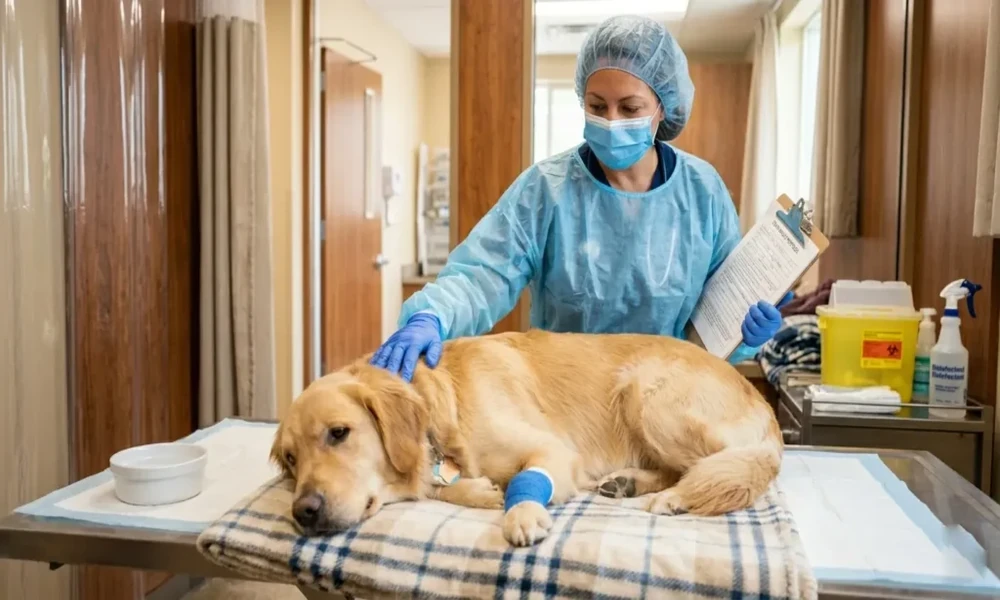
Once inside, the team usually treats the case as potentially infectious until they know more. That means your pet may be handled by a smaller number of staff members, moved through a limited path in the hospital, and placed in a separate room or ward. Personal protective equipment such as gloves, gowns, shoe covers, or masks may be used depending on the suspected illness. These steps follow the same common sense principles outlined in infection prevention and control guidance for veterinary settings.
Why all the caution? Because some diseases spread through droplets, some through direct contact, and some through contaminated surfaces like leashes, carriers, bowls, and hands. A pet with kennel cough type symptoms, for example, creates a different concern than one with parvovirus or a skin fungus. The protocol changes with the risk.
Why do contagious animal care protocols matter so much?
If a hospital misses early signs of a contagious disease, the effects can ripple fast. One coughing dog in a waiting room may expose others. One contaminated exam table can become a problem for the next patient. One staff member who moves between rooms without proper precautions can unknowingly carry germs farther than anyone intended.
Because of this tension, you might wonder whether isolation means your pet will get less attention. In most hospitals, the opposite is true. Isolation is not about avoidance. It is about focused care with safer handling. The team is trying to balance two needs at once, which are prompt treatment for your pet and infection control for everyone around them.
This is especially important during respiratory outbreaks. Cornell’s guidance on canine respiratory disease outbreaks explains how quickly signs like coughing, nasal discharge, fever, and low appetite can become a broader concern in group settings. Boarding facilities, shelters, dog daycares, and hospitals all have to think beyond one animal at a time.
How do veterinary isolation procedures actually work day to day?
Most veterinary isolation procedures follow a few core steps. First comes early identification. Staff ask screening questions and look for symptoms that suggest a contagious condition. Next comes separation. The pet is placed in a designated room, ward, or treatment area away from general traffic. Then comes protection. Staff use the gear and handling rules that fit the suspected disease. Finally, there is cleaning and documentation, so surfaces, tools, and movement through the hospital are carefully managed.
There is also a planning side that pet owners do not always see. Hospitals often have written protocols for intake, signage, laundry, waste handling, cage cleaning, hand hygiene, and discharge instructions. The University of Illinois also outlines practical steps for preventing disease introduction and spread, including staff training and clear traffic flow. Those systems matter because a protocol only works if people can follow it under pressure.
What should you expect if your pet needs isolation care?
You may notice a few changes from a routine visit. Communication may happen by phone from the parking lot. Your pet may be taken inside without you if the hospital is limiting exposure. The team may ask detailed questions about recent boarding, grooming, travel, vaccine history, stool changes, coughing, or contact with sick animals. You may also receive stricter home care instructions after discharge.
That can feel impersonal at first, especially when you want to stay close to your pet. Still, these steps are often the reason a hospital can keep treating urgent cases safely. Contagious case management in veterinary hospitals works best when pet owners and staff act as partners.
Which precautions help most when comparing common hospital responses?
| Hospital Step | Why It Helps | Example Situation |
|---|---|---|
| Phone screening before arrival | Reduces exposure in the lobby | A dog with a new cough waits in the car until a room is ready |
| Separate entrance or direct room placement | Limits contact with other pets and people | A cat with suspected ringworm avoids the main waiting area |
| Protective gear for staff | Lowers transfer by hands, clothing, and shoes | Gloves and gowns used for a puppy with severe diarrhea |
| Dedicated cleaning protocols | Removes germs from surfaces and equipment | Disinfecting exam tables and carriers after each use |
| Restricted movement inside the hospital | Keeps possible contamination contained | An isolated patient stays in one treatment zone |
What can you do right now if you think your pet may be contagious?
1. Call before you go. Tell the hospital exactly what you are seeing, when it started, and whether your pet has been around other animals. This gives the team time to prepare a safer arrival plan.
2. Limit contact on the way in. Keep dogs away from shared grass areas, do not allow nose to nose greetings, and keep cats in carriers. Bring only what you need, since leashes, blankets, and toys can carry germs.
3. Follow discharge instructions closely. If your pet is sent home with isolation advice, take it seriously. That may include keeping pets separated, washing hands after handling, cleaning bowls and bedding, and watching for changes in appetite, breathing, stool, or energy.
How do you move forward without feeling overwhelmed?
When your pet may have a contagious illness, it is easy to feel pulled between worry and urgency. That is normal. The good news is that a well run veterinary hospital has systems built for exactly this kind of moment. Isolation is not a sign of panic. It is a sign that the team is thinking clearly, protecting others, and giving your pet the care they need in the safest way possible.
If you are concerned that your pet may be contagious, contact your veterinary hospital before arrival and describe the symptoms in detail. A quick call can make the visit smoother, safer, and less stressful for everyone involved.