

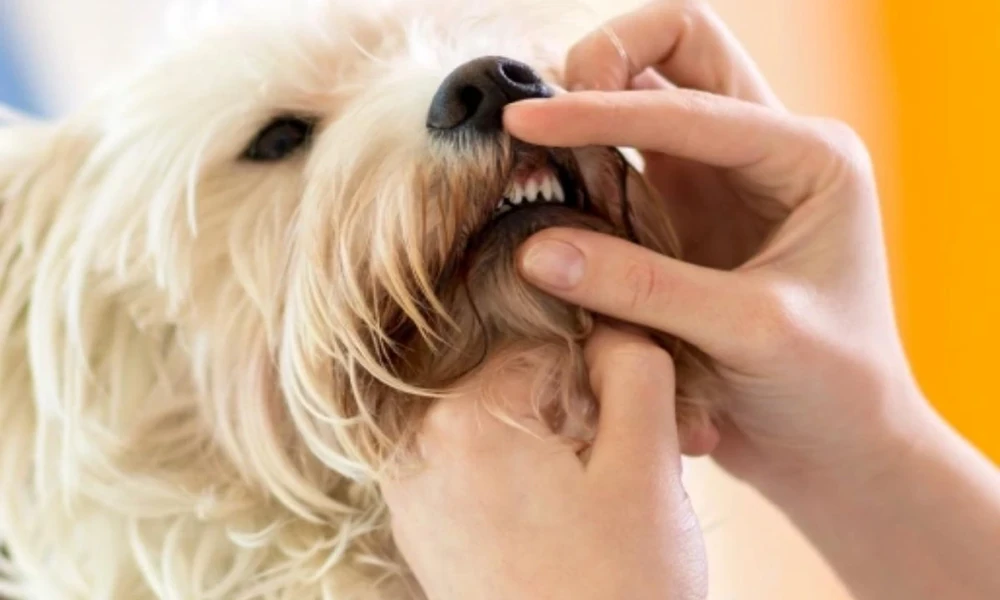
You notice the bad breath first. Then your dog pulls away when you touch the muzzle, or your cat starts dropping kibble, eating slower, or favoring one side of the mouth. It is easy to tell yourself it can wait because life is busy and pets hide pain so well. That is exactly why dental disease sneaks up on so many families, and why an Oakville veterinarian should evaluate these signs early.
General veterinarians recommend regular dental cleanings for three simple reasons. They help prevent pain, they reduce the risk of deeper health problems, and they often cost less than waiting until a pet needs extractions or urgent treatment. If you have been putting this off, you are not alone. Many owners do not realize how much is happening below the gumline until the problem is advanced.
Regular pet dental cleanings prevent pain that pets rarely show
Most pets keep eating even when their mouths hurt. That throws people off. You may assume the teeth cannot be that bad if your dog still wants treats or your cat still comes running for dinner. Mouth pain does not always stop appetite. It often shows up in smaller ways, such as chewing on one side, avoiding hard food, pawing at the face, resisting play, or seeming more withdrawn.
Periodontal disease starts with plaque and tartar, then moves into the gums and tissues that support the teeth. Once that happens, the mouth becomes a steady source of pain and inflammation. Cornell’s overview of periodontal disease in dogs explains how common this is and how quickly it can progress when it is not treated.
This is one of the clearest reasons vets recommend dental cleanings. A professional cleaning reaches areas you cannot fully manage at home, especially under the gumline where disease often does the most damage. Brushing at home helps, but it does not replace a veterinary dental cleaning when tartar and gum disease are already present.
General veterinarian dental care protects more than the mouth
Dental disease does not stay neatly contained in the teeth and gums. Chronic inflammation affects the whole body, and bacteria from the mouth can enter the bloodstream. That does not mean every pet with tartar will develop heart, liver, or kidney problems, but it does mean the mouth is not a separate issue.
Texas A&M’s guidance on why pet dental care is important highlights the broader health impact of poor oral hygiene. The connection matters because many owners think of a cleaning as cosmetic. It is not. It is preventive care.
You may also see behavior changes that do not look dental at first. A pet with chronic oral pain may sleep more, play less, resist being picked up, or become irritable around the face. Those changes can feel sudden, but the underlying problem often builds slowly. Routine dental cleanings for pets give your veterinarian a chance to catch disease before it reaches that point.
Professional veterinary dental cleaning often costs less than delayed treatment
Cost is the reason many people wait, and that concern is real. A cleaning under anesthesia is not a small purchase. The harder truth is that delay usually makes the bill larger. Mild buildup may call for a standard cleaning and dental X rays. Advanced disease can mean extractions, medications, follow up visits, and a more difficult recovery.
The USDA APHIS preventive care guide for dogs outlines how preventive care for periodontal disease in dogs lowers the risk of severe dental problems. Prevention is usually the less expensive path because it interrupts disease before it turns into surgery.
There is also the daily cost you do not see on an invoice. A pet living with mouth pain may stop enjoying food, toys, grooming, and normal affection. Waiting can turn a manageable issue into a quality of life problem.
At home dental care and professional cleanings do different jobs
Home care matters, and your general veterinarian will usually encourage it. The problem is that people often compare brushing and dental chews to a professional cleaning as if they do the same thing. They do not. Home care slows plaque buildup. A veterinary dental cleaning removes hardened tartar and allows a full exam, often with X rays, to find disease hidden below the gumline.
| Approach | What It Helps With | What It Cannot Do Well |
|---|---|---|
| Tooth brushing at home | Reduces daily plaque buildup, supports gum health, freshens breath over time | Does not remove hardened tartar, limited access under the gumline |
| Dental chews and oral rinses | Can lower plaque load and support maintenance between visits | Cannot diagnose disease, limited effect on established periodontal pockets |
| Professional pet dental cleaning | Removes tartar above and below the gumline, allows full oral exam and treatment planning | Needs follow up home care to maintain results |
Three steps you can take right away
1. Check for quiet warning signs. Look for bad breath, red gums, yellow or brown buildup, dropping food, chewing on one side, face rubbing, or sudden reluctance to have the head touched. None of these automatically means severe disease, but they all deserve attention.
2. Schedule an oral exam with a general veterinarian. An exam tells you whether your pet needs simple preventive care, a cleaning, dental X rays, or treatment for active disease. If your pet is older or has other health issues, this visit also helps you understand anesthesia planning and safety.
3. Start a realistic home routine. Daily brushing is ideal, but a routine you can actually keep is better than a perfect plan that never starts. Ask your veterinarian for a pet safe toothbrush, toothpaste, and advice on chews or rinses that fit your pet’s age, breed, and dental condition.
Dental disease is common, but it is also one of the most treatable problems your pet faces when it is caught early. Regular cleanings are not about perfect teeth. They are about comfort, function, and giving your pet a healthier everyday life. If you have been meaning to address the smell, the sensitivity, or the change in eating habits, now is a good time to book a visit with a general veterinarian.