

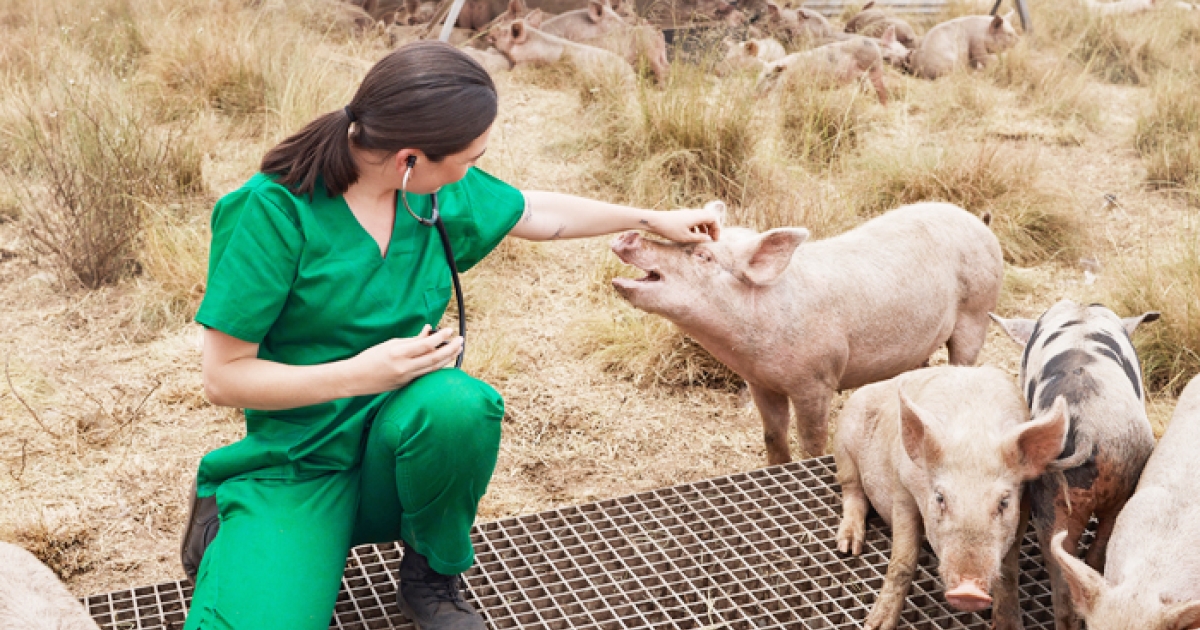
Animal hospitals protect more than pets. They protect you, your family, and your community. When your dog, cat, or farm animals get sick, that illness can spread. It can reach your home, your neighbors, and sometimes your food and water. A Bronte veterinarian does not only treat a single animal. They also track diseases, report unusual cases, and help stop outbreaks before they spread. They give vaccines, test for infections, and guide you on safe contact with animals. They also watch for early signs of new threats. Many human diseases start in animals. Care in animal hospitals is a first shield. You may not see this work. You feel it when your food is safe, your parks are safe, and your children can play with pets without fear. This blog explains how animal hospitals support strong public health protection.
How Animal Health Connects To Your Health
Most new human infections come from animals. Diseases such as rabies, some flu strains, and some food poisoning start in animals. When a clinic treats sick pets, it helps stop these infections at the source.
You share homes, beds, and yards with animals. You touch their food, water, toys, and waste. When an animal hospital keeps pets healthy, it lowers the germs that move from fur and paws to hands and mouths. This quiet work keeps daily life steady.
Early Warning For Dangerous Diseases
Animal hospitals act as an early alarm for dangerous diseases. Staff watch for patterns that look unusual. One sick dog is sad. Many dogs with the same strange signs can mean a wider threat.
Clinics then contact local public health teams. They send test samples to labs. They share what they see. You get faster alerts, clearer advice, and better control of spread.
Examples Of Animal Diseases With Human Health Impact
| Disease | Main Animal Hosts | How It Reaches Humans | Role Of Animal Hospitals |
|---|---|---|---|
| Rabies | Dogs, bats, wildlife | Bites or scratches | Vaccinate pets. Report cases. Guide bite treatment. |
| Ringworm | Cats, dogs, farm animals | Skin contact | Diagnose fast. Treat pets. Teach home cleaning steps. |
| Salmonella | Reptiles, poultry | Touching animals or droppings | Test animals. Advise safe handling and handwashing. |
| Influenza strains | Birds, pigs, some other species | Close contact or shared air | Watch for clusters. Send samples. Support public alerts. |
Vaccines That Protect Whole Communities
One simple shot in a clinic can protect many people you never meet. Rabies is a clear example. The Centers for Disease Control and Prevention show that strong pet vaccination programs keep human rabies deaths very low in North America. This is not luck. It is planned work in animal hospitals.
When most dogs and cats in a town have rabies shots, the virus struggles to spread. Bites still hurt. Yet they are less likely to kill. This same shield effect comes from other vaccines for diseases that can jump between species.
You help build this shield when you keep your pet’s vaccines up to date. You protect your household. You also protect mail carriers, neighbors, and children in the park.
Clean Clinics, Clean Homes
Strong infection control starts inside the animal hospital. Staff use strict cleaning routines. They wash hands with care. They separate sick animals from healthy ones. They use gloves and eye shields when needed. Each step lowers the germs that could reach you.
Then staff share those habits with you. They show you how to:
- Store pet food so it does not spoil
- Handle raw meat for pets without spreading germs
- Clean litter boxes and cages in safe ways
- Manage pet waste so it does not reach play spaces or water
This help is especially important for young children, pregnant people, older adults, and people with weak immune systems. For them, germs from animals can hit hard.
Safe Contact Between Children And Animals
Many children learn trust, care, and comfort from pets. They also put fingers in mouths, forget to wash hands, and hug every dog they see. Animal hospitals help you strike a balance between joy and safety.
Veterinarians and nurses can guide you on:
- Which pets fit well with your child’s age and health
- How to teach gentle touch and safe play
- When a pet should stay away from newborns or sick family members
- What warning signs mean you should call the clinic fast
When children learn safe habits young, they carry those habits into schools, farms, and jobs. This shapes safer communities for years.
Food Safety And Farm Support
Animal hospitals that treat farm animals protect your dinner table. Healthy cows, pigs, chickens, and goats are less likely to carry germs that cause food poisoning. The United States Department of Agriculture explains how animal health links to safe meat, milk, and eggs.
Farm veterinarians:
- Set vaccine and parasite plans for herds
- Check for diseases that must be reported
- Advise on clean barns and safe manure use
- Work with inspectors when problems appear
This helps stop large outbreaks that can close schools, strain hospitals, and empty grocery shelves.
What You Can Do As A Pet Owner
Your choices make a difference. You do not need medical training to support public health. You only need steady habits.
Key steps include:
- Schedule regular checkups and follow vaccine plans
- Use parasite control for fleas, ticks, and worms
- Wash hands after handling pets, waste, or raw pet food
- Keep pet wounds, coughs, or sudden behavior changes in view
- Report bites and scratches to your doctor and your animal hospital
Each step protects you. It also protects neighbors, school staff, and strangers who pass your pet on the sidewalk.
Shared Responsibility For A Safer Community
Animal hospitals do quiet work that supports strong public health. They watch for early signs of danger. They block disease spread with vaccines and treatment. They teach habits that keep germs from moving from animals to people.
You play your part when you bring animals in for care, listen to advice, and speak up when something feels wrong. Together, you create a shield that covers homes, parks, farms, and streets. That shield is how you protect the people and animals you love.