

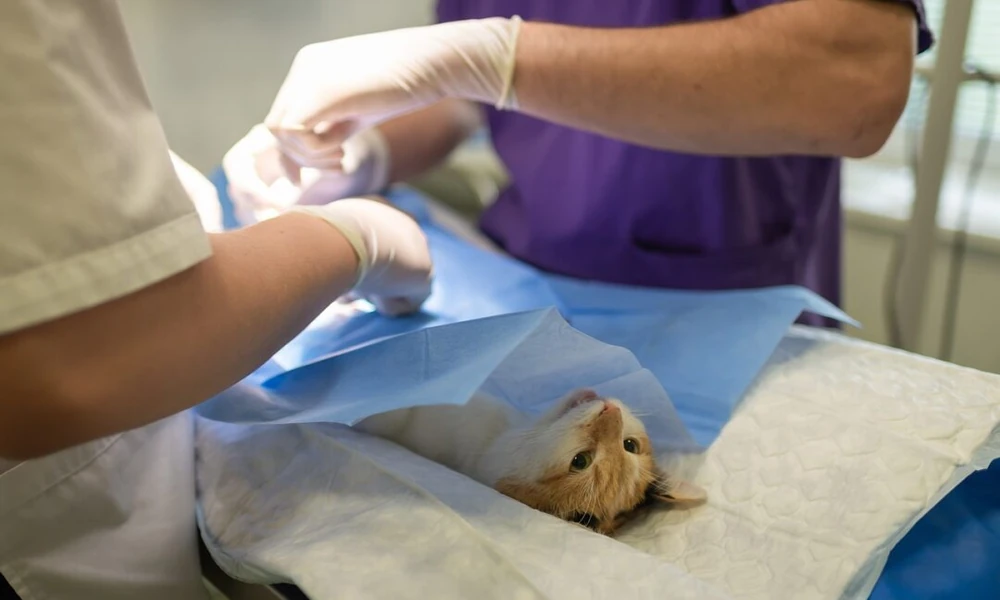
You might be feeling two things at once right now, relief that your pet made it through surgery, and worry about what happens next. That is a hard place to be. Once the procedure is over, the focus shifts fast from the operating room to healing, and that stage can feel less dramatic but just as stressful. You are watching every movement, every meal, every nap, and wondering what is normal. The short answer is that How Veterinary Hospitals Handle Post Surgery Recovery, including Tomball veterinary care, usually comes down to careful monitoring, pain control, wound care, activity limits, and clear instructions for home. When those pieces work together, recovery tends to be safer and smoother for both you and your pet.
Most pet owners do not just want a technical explanation. You want to know whether your dog or cat will be comfortable, whether you will miss a warning sign, and whether the plan at home will be realistic. Because of that tension, it helps to understand what veterinary teams are actually doing behind the scenes, and why each step matters.
What happens right after surgery, and why does recovery care matter so much?
Right after surgery, a veterinary hospital does far more than simply wait for a pet to wake up. The team watches breathing, heart rate, temperature, blood pressure, pain level, and alertness. Pets can be groggy, chilled, nauseated, or confused as anesthesia wears off, so the first hours matter. If your pet had orthopedic surgery, abdominal surgery, or another major procedure, that observation period becomes even more important.
This is where post operative care for pets starts to take shape. Pain medicine is adjusted based on how your pet responds, bandages are checked, and staff look for bleeding, swelling, or trouble urinating. Some pets need fluids, help getting comfortable, or extra support standing and walking. Others need strict crate rest from the first day, even if they seem eager to move. That can feel surprising. If a pet looks bright, why limit activity? Because healing tissue is still fragile, and one jump can undo a lot of good work.
Hospitals also prepare you for the handoff home. At the aftercare guidance from Tufts, you can see the kind of practical instructions owners often receive, including medication schedules, feeding guidance, incision checks, and signs that mean you should call right away. Those details are not small. They are the bridge between safe hospital care and safe home care.
Why can recovery feel harder at home than it looked in the hospital?
Once your pet comes home, the emotional side often hits. In the hospital, there are monitors, trained staff, and a controlled setting. At home, there is your living room, your stairs, your work schedule, and a pet who may not understand why they cannot run, jump, or lick a sore spot. So, where does that leave you?
It leaves you managing a mix of medical tasks and daily life. Medication timing matters. Restricting movement matters. Keeping an incision clean matters. If your dog had a common knee procedure after a cranial cruciate ligament rupture, for example, recovery may involve weeks of controlled exercise and gradual return to activity. The University of Florida’s overview of cranial cruciate ligament rupture care shows how structured and long term that process can be.
This is also where many setbacks happen. A pet slips on the floor. An owner stops pain medication too soon because the pet seems better. An e collar comes off for one hour, and the incision gets irritated. None of that means you have failed. It means veterinary surgery recovery is rarely passive. It asks for patience, planning, and a little problem solving every day.
How do veterinary hospitals compare hospital care and home recovery needs?
It helps to see the difference clearly, especially if you are trying to decide what support your pet may need after discharge.
| Recovery Need | In the Veterinary Hospital | At Home |
|---|---|---|
| Pain control | Frequent assessment and medication changes if needed | Give medications on schedule and watch for panting, restlessness, or poor appetite |
| Incision care | Staff check for swelling, bleeding, discharge, or licking | Inspect daily and prevent licking with an e collar or recovery suit |
| Mobility | Assisted standing and short supervised walks if allowed | Use leashes, non slip rugs, ramps, and crate rest when advised |
| Complication monitoring | Continuous observation for breathing changes, fever, or poor recovery from anesthesia | Watch for vomiting, lethargy, swelling, opening of the incision, or refusal to eat |
| Rehabilitation | Therapeutic plans may begin with guided movement or pain support | Follow the rehab plan and attend therapy visits if prescribed |
For some pets, rehab is not optional. It is part of healing. The rehabilitation services at Virginia Tech reflect the kind of support veterinary hospitals may offer, including guided exercise, strength work, and mobility help after surgery. This kind of veterinary hospital care can improve comfort and function, especially after orthopedic procedures.
What can you do right now to support a safer recovery?
1. Set up the recovery space before problems start.
Choose a quiet area with easy footing, limited stairs, and enough room for your pet to rest without being bumped. Keep medications, water, and your discharge instructions in one place. If your pet is large, think ahead about how you will help with bathroom breaks.
2. Follow the instructions even when your pet seems normal.
This is one of the hardest parts. Pets often act better before they are healed. A dog may want to jump on the couch three days after surgery. A cat may try to climb. That does not mean the body is ready. Stick with the plan on activity, feeding, bandage care, and follow up visits.
3. Know the warning signs that should prompt a call.
Contact your veterinary hospital if you see trouble breathing, repeated vomiting, severe swelling, bleeding, pale gums, collapse, uncontrolled pain, or an incision that opens or drains. If something feels off, trust that instinct. It is better to ask early than wait too long.
How can you feel more steady during your pet’s healing process?
Recovery after surgery is rarely perfect, and that is worth remembering. Some days will feel encouraging, and some will feel slow. What matters most is not doing everything flawlessly. It is staying observant, keeping communication open with your veterinary hospital, and giving healing the time it needs. That is the heart of good pet surgery aftercare and good veterinary care.
Your pet does not need you to be calm every second. Your pet needs you to be present, prepared, and willing to ask for help when something does not look right. If you have questions about your pet’s recovery, reach out to your veterinary hospital and ask for clear aftercare guidance and follow up support.