

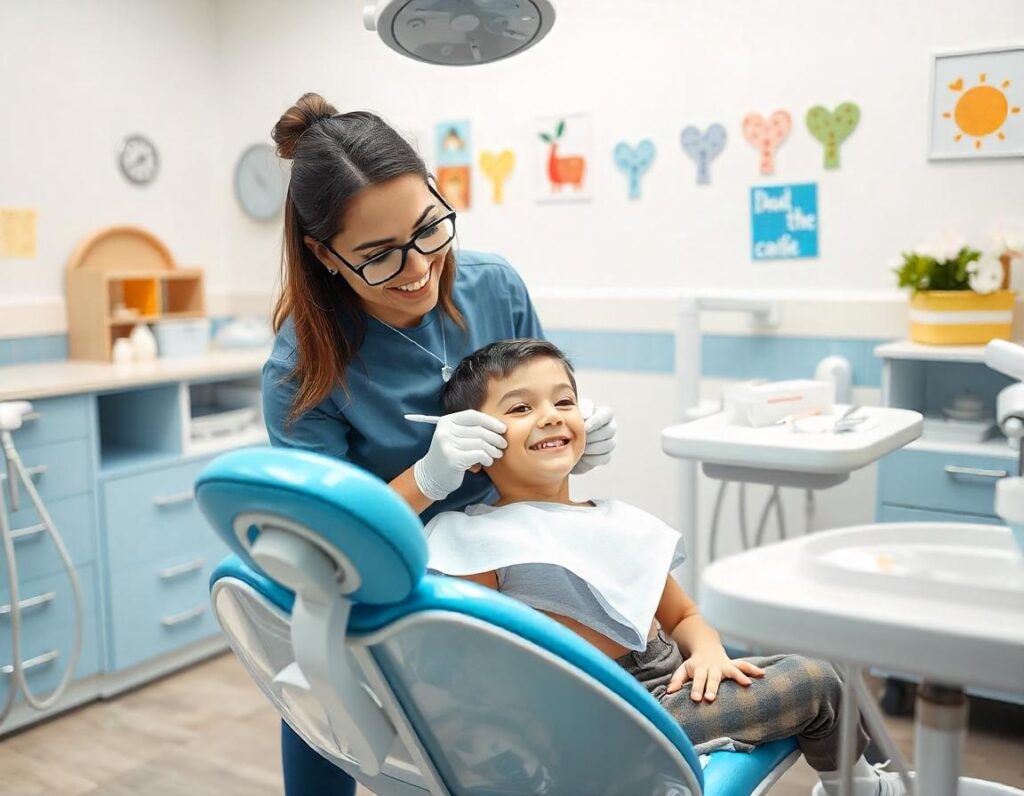
Strong teeth do not happen by chance. They grow from steady habits and early care. Preventive family dentistry gives you and your children a clear plan to protect your mouths before pain starts. You bring your family in for regular checkups. The dental team looks for small problems and treats them while they are still simple. You learn how to clean your teeth at home and what foods can hurt or help your gums. You also build trust. Your child sees the same faces and learns that the office is a safe place, not a threat. This trust makes treatment easier later in life. It also lowers fear and panic. If you see a dentist in Jonesboro, AR for preventive care, you invest in fewer cavities, fewer infections, and fewer lost teeth. You give your family stronger oral health that can last for life.
Why Early and Regular Care Matters
Tooth decay is common in children and adults. The good news is that it is also preventable. Regular checkups help you catch tooth decay and gum disease before they spread. Cleanings remove plaque and tartar that brushing does not reach. Exams use simple tools and sometimes X rays to spot weak spots in teeth.
According to the Centers for Disease Control and Prevention, cavities remain one of the most common chronic conditions in children and teens. Preventive visits cut that risk in a direct way. You shorten treatment time. You lower your chance of tooth loss. You also lower your risk for painful infections that can send you to an emergency room.
Key Parts of Preventive Family Dentistry
Preventive family dentistry focuses on simple steps that work together. You can expect three main parts.
- Routine checkups and cleanings
- Protective treatments
- Strong home care habits
Routine checkups let the dentist track changes in your mouth. Cleanings remove buildup that causes gum bleeding and bad breath. You also get mouth cancer screenings. These checks take a short time and can find early changes that you cannot see in a mirror.
Protective treatments often include fluoride and sealants. Fluoride strengthens tooth enamel. Sealants cover the chewing surfaces of back teeth with a thin coating. This shields deep grooves where food and germs hide. The American Dental Association explains how sealants cut cavities in children ADA on Dental Sealants. You can ask for these for your child and sometimes for yourself.
Strong home care habits are the base. You brush twice a day with fluoride toothpaste. You floss once a day. You limit sugary drinks and snacks. You drink water. Your dentist and hygienist show you simple ways to do this that match your child’s age and your own needs.
How Preventive Care Saves You Money and Time
Preventive visits cost far less than emergency treatment. A short cleaning and exam once or twice a year can prevent root canals, extractions, and dentures later. You also miss fewer school and work days. Painful tooth problems often come at night or on weekends. That strain spreads to your whole family.
The table below shows a basic comparison of preventive care and delayed care. Costs are sample estimates and can vary. The purpose is to show the pattern.
| Type of Care | Typical Visit Frequency | Example Service | Estimated Cost Range | Impact on Your Family |
|---|---|---|---|---|
| Preventive Care | 1 to 2 times per year | Exam and cleaning | Low to moderate | Short visits. Less pain. Fewer school or work absences. |
| Preventive Care | As advised | Fluoride and sealants | Low | Lower cavity risk. Less need for fillings. |
| Delayed Care | Unplanned | Filling for deep cavity | Moderate | Longer visit. Numbing. Possible missed school or work. |
| Delayed Care | Unplanned | Root canal or extraction | High | High stress. Pain before care. Strong impact on eating and sleep. |
Why Children Need a Family Dentist
Children learn from what they see and feel. When you take your child to the same family dentist you use, you send a clear message. Mouth care matters. You also let your child grow with a team that knows their history. The dentist can track tooth growth, jaw changes, and habits such as thumb sucking or teeth grinding.
Early visits help your child speak clearly and chew well. They also help shape face and jaw growth. A family dentist can spot crowding or bite problems and refer for braces if needed. When you start early, treatment is often simpler. Your child carries these habits into teen years and adult life. That is how preventive care shapes health for decades.
How Preventive Dentistry Protects Adults and Seniors
Preventive family dentistry also supports adults and older adults. Gums can pull back with age. Medicines can cause dry mouth. Health conditions such as diabetes can raise your risk for infections. Regular visits help you control these risks.
Cleanings calm gum swelling and bleeding. Exams check for mouth cancer, broken fillings, and worn teeth. Your dentist can suggest simple tools such as softer brushes, floss holders, or mouth rinses that match your needs. You keep more of your natural teeth. You also lower your risk for painful abscesses and bone loss in your jaw.
Building a Simple Plan for Your Family
You can start a preventive plan with three clear steps.
- Schedule routine checkups for each family member.
- Follow a home care routine that fits each age.
- Talk with your dentist about fluoride, sealants, and diet.
You do not need perfect habits. You need steady ones. Put brushing on your family’s daily schedule. Keep floss and brushes easy to reach. Replace toothbrushes every three to four months or sooner if bristles spread. Use rewards that are not food to support your child’s efforts, such as a new book or more story time.
Preventive family dentistry gives you control. You act before pain forces you to react. You reduce fear. You protect your budget. Most of all, you protect your family’s comfort and confidence when they eat, talk, and smile. That strength can last through every stage of life.