

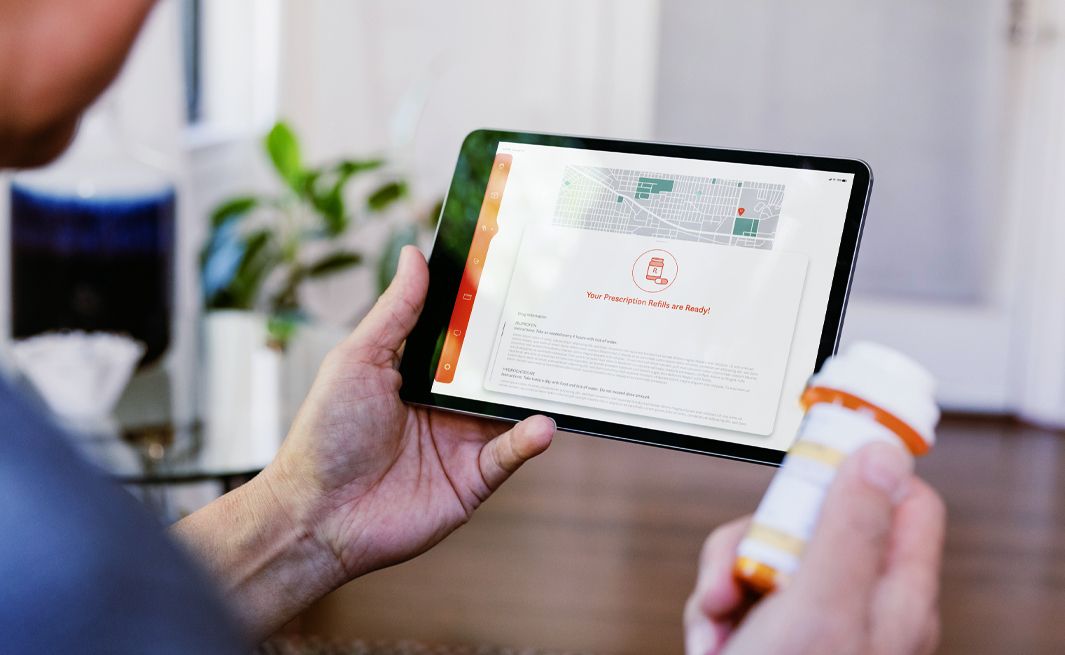
Keeping patients safe shapes every rule in digital health services. online prescriptions follow identical legal and medical standards as paper scripts written in physical doctor offices. Several verification stages protect people from medication mistakes, harmful drug combinations, and fake prescriptions. Licensed doctors check each request through organized steps before approving any medication. Remote platforms actually run tighter controls than lots of conventional prescription setups ever did.
Identity authentication required
Proving who patients are stops prescription scams and guards medical files from the wrong people accessing them. NextClinicuses various verification tactics during signup and when prescriptions are requested. People upload government IDs that get matched against the personal details they provided. Face recognition tools compare uploaded pictures with live video call images. Extra authentication steps go beyond just typing passwords.
- Text messages deliver temporary codes that patients enter within short windows.
- Email links expire fast to block account theft attempts. Certain services want backup IDs or electric bills displaying current home addresses.
- Credit card checks handle both payments and confirm identities.
- Fingerprint scans on phones beef up security further.
All these combined steps block fraudulent prescription schemes while letting real patients through smoothly.
Medical history review
Doctors can’t prescribe safely without knowing the patient’s health stories completely. Online services need detailed medical forms filled out before the first appointments start. Past diagnoses, operations, and hospital stays all matter when deciding prescriptions. Lists of current medicines stop risky drug mixups that hurt people. Documented allergies prevent prescriptions for stuff that caused bad reactions before.
Family health patterns show inherited risks affecting medication picks. Daily habits covering drinking, smoking, and workout routines shape prescription safety. Mental health backgrounds especially matter for drugs carrying addiction dangers or mind-altering effects. Whether someone’s pregnant or nursing changes medication safety for mothers and babies both. Systems flag gaps in medical backgrounds and ask for more details before moving forward. Doctors study these facts closely, frequently asking patients to explain specific things before writing scripts.
Licensed physician evaluation
Each prescription demand gets assessed by doctors holding real medical licenses. State medical authorities regulate online prescribing exactly like regular practice. Services check doctor credentials through direct verification with licensing boards:
- Medical school diplomas confirm education meets standards
- Board certification papers prove speciality training has been completed
- State licensing records verify active unrestricted permission to practice
- DEA numbers get validated for authority prescribing controlled medications
- Malpractice insurance policies meet state minimum coverage amounts
- Continuing education records show that current knowledge stays updated
Diagnostic assessment conducted
Virtual appointments follow organized evaluation steps matching office visits. Video connections let doctors watch patients visually for distress signs or sickness indicators. Spoken interviews dig into how long symptoms lasted, how bad they are, and how they changed over time. Doctors pose specific questions about pain intensity, what patients can’t do normally, and what treatments they have tried already.
Health measurements from connected gadgets supply concrete data points. Blood pressure cuffs, pulse trackers, and sugar monitors send readings straight into patient files. Some services ship testing kits for collecting samples at home that labs then analyze. Photos uploaded by patients document rashes, wounds, or visible problems needing visual review. Doctors want recent bloodwork or scan results when needed for prescription choices. The diagnostic thoroughness equals what capable physicians do during clinic appointments.
Stacked verification steps guarantee remote prescription services hit tough safety marks protecting patient health. Credentialed professionals run thorough checkups before authorizing medications through online setups. Protection measures beat many old-school prescription systems while keeping access easy for legitimate patients.