

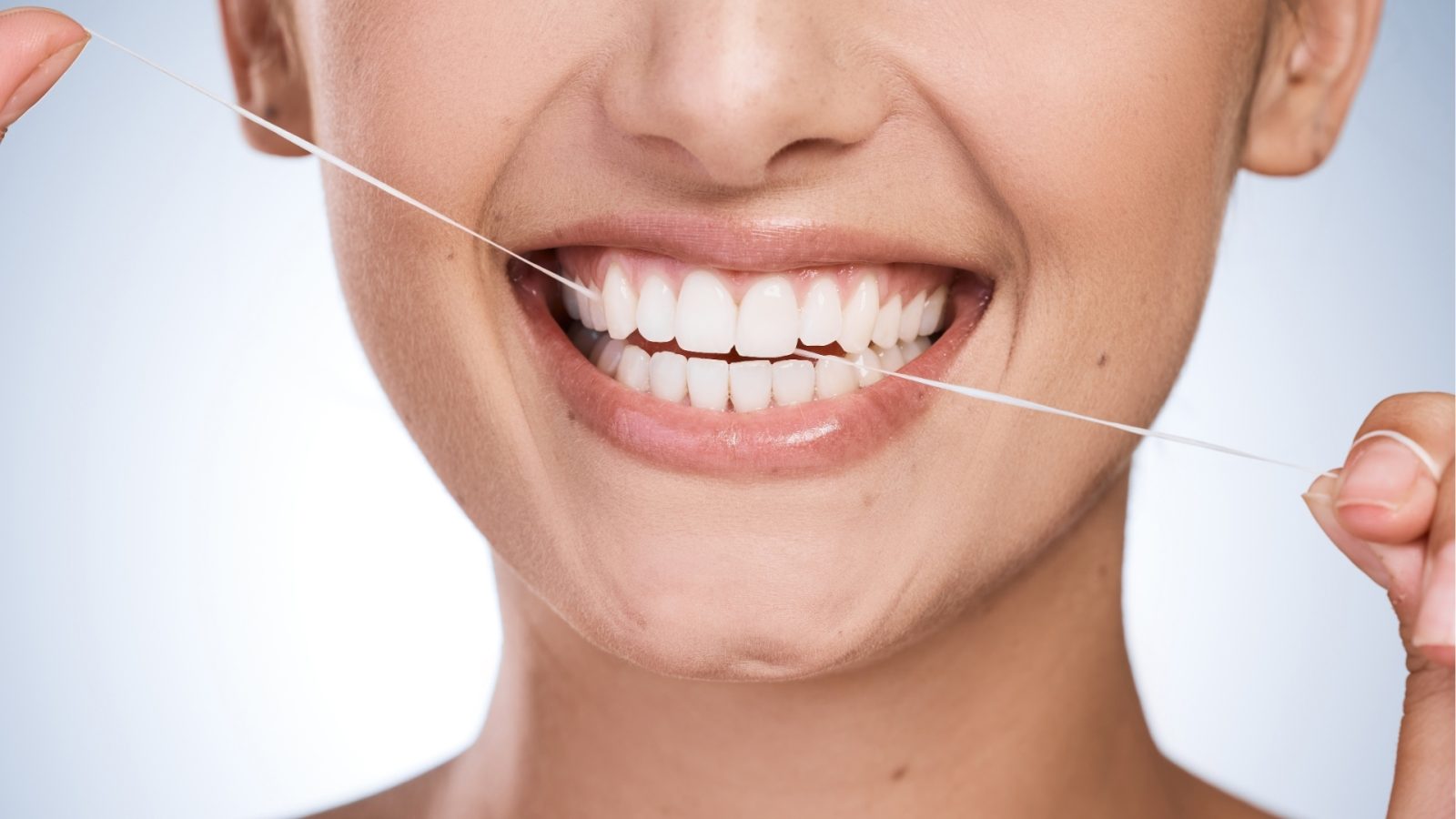
Cosmetic dental work takes time, money, and courage. You want that new smile to last. This blog shares 6 clear tips to help you protect your investment and keep your teeth looking sharp and clean. You will learn how to care for bonding, veneers, crowns, and teeth whitening Torrance results so they stay bright and strong. You will see what to avoid, what to use, and when to call your dentist. You will also see how daily habits, food choices, and simple checkups can prevent stains, chips, and wear. You deserve a smile that still looks new long after treatment. With a few steady steps, you can hold on to that fresh look and avoid painful fixes later. Here is how to start.
1. Brush and floss with care every day
You protect cosmetic work when you clean your teeth in the right way. You also protect your gums and your health.
- Brush two times a day with a soft brush
- Use fluoride toothpaste
- Floss once a day around every tooth and under bridges
The Centers for Disease Control and Prevention explains that daily brushing and flossing lower the risk of decay and gum disease. That same routine keeps the edges of veneers, bonding, and crowns clean. It also lowers stain buildup.
You do not need to scrub hard. You need steady care. Use small circles along the gumline. Then floss with a gentle back and forth pull. You protect the bond between tooth and cosmetic work when you avoid harsh scraping.
2. Watch stain causing food and drink
Food and drink can stain natural teeth and cosmetic work. Some drinks also weaken tooth enamel. Over time that can change how your smile looks and feels.
Common items that stain or protect your smile
| Choice | Effect on color | Simple step |
|---|---|---|
| Coffee and tea | Cause yellow or brown stains | Rinse with water after drinking |
| Red wine and dark soda | Cause dark stains and acid wear | Limit use and sip water between drinks |
| Berries and tomato sauce | Can stain bright surfaces | Wipe or rinse soon after eating |
| Water and milk | Support a clean mouth | Choose more often |
| Crisp fruits and raw veggies | Help scrub soft buildup | Use as snack choices |
The National Institute of Dental and Craniofacial Research notes that sugar and acid raise the risk of decay. That risk is higher around the edges of crowns and veneers. When you limit dark, sugary drinks, you protect both color and strength.
3. Do not use your teeth as tools
Cosmetic work can chip, crack, or break. Many breaks come from habits you can stop.
- Do not chew ice
- Do not bite pens or fingernails
- Do not open packages with your teeth
Each of these habits puts sharp force on small spots. That force can snap a veneer, crack a crown, or break bonding. You may not feel pain at first. You may only see a rough edge or a dark line. Fixing that damage often costs more than the first work.
Use scissors. Use your hands. Use tools meant for the job. Your teeth are for eating, speaking, and smiling. Nothing else.
4. Protect your teeth during sports and sleep
You guard your smile when you protect it during contact sports and during sleep grinding. Many people grind or clench without knowing it.
- Wear a mouthguard for any sport with contact or risk of falls
- Ask your dentist about a night guard if you wake with jaw pain or sore teeth
- Replace old guards that feel loose or cracked
A hit to the mouth can knock off veneers or break crowns. Grinding can wear down edges and cause small breaks. A custom guard spreads out pressure. It also keeps upper and lower teeth from hitting hard.
If your child has cosmetic work, treat a mouthguard like a helmet. It is part of the uniform. That single step can prevent years of repair.
5. Keep regular checkups and cleanings
Routine checkups keep small problems from turning into large ones. They also keep cosmetic work looking clean and smooth.
- Schedule cleanings at least every six months
- Tell the dentist what cosmetic work you have and when you got it
- Ask the hygienist to use tools and polish that are safe for your type of work
Your dentist can spot early chips, worn spots, or gaps at the edges of crowns and veneers. Your dentist can also show you where you miss with your brush or floss. That guidance keeps your home care strong.
Regular visits cost less than repair visits. They also protect your time and your peace of mind. You walk out knowing your smile still holds up.
6. Use touch up care for whitening and bonding
Whitening and bonding do not last forever. Color can fade. Edges can wear. Planned touch ups keep your smile even and bright.
- Ask your dentist how often to touch up whitening
- Use only dentist approved whitening products with existing veneers or crowns
- Plan bonding repair when you see rough spots or color change
Store bought whitening can create uneven color if you have fillings, crowns, or veneers in front teeth. Natural teeth may whiten while cosmetic parts do not. Your dentist can plan whitening and shade choices so your smile stays balanced.
A short touch up visit is often simple. It can smooth small chips, polish stained edges, or refresh color. That keeps your cosmetic work from reaching a crisis point.
Bring it all together
You protect cosmetic dental work when you:
- Clean with care each day
- Limit stain causing food and drink
- Stop using teeth as tools
- Wear guards during sports and sleep grinding
- Stay on track with checkups and cleanings
- Plan smart touch ups with your dentist
Small daily choices keep your smile strong, bright, and steady. You already did the hard part when you chose treatment. Now you can protect that choice with clear, simple steps that fit into your life.