

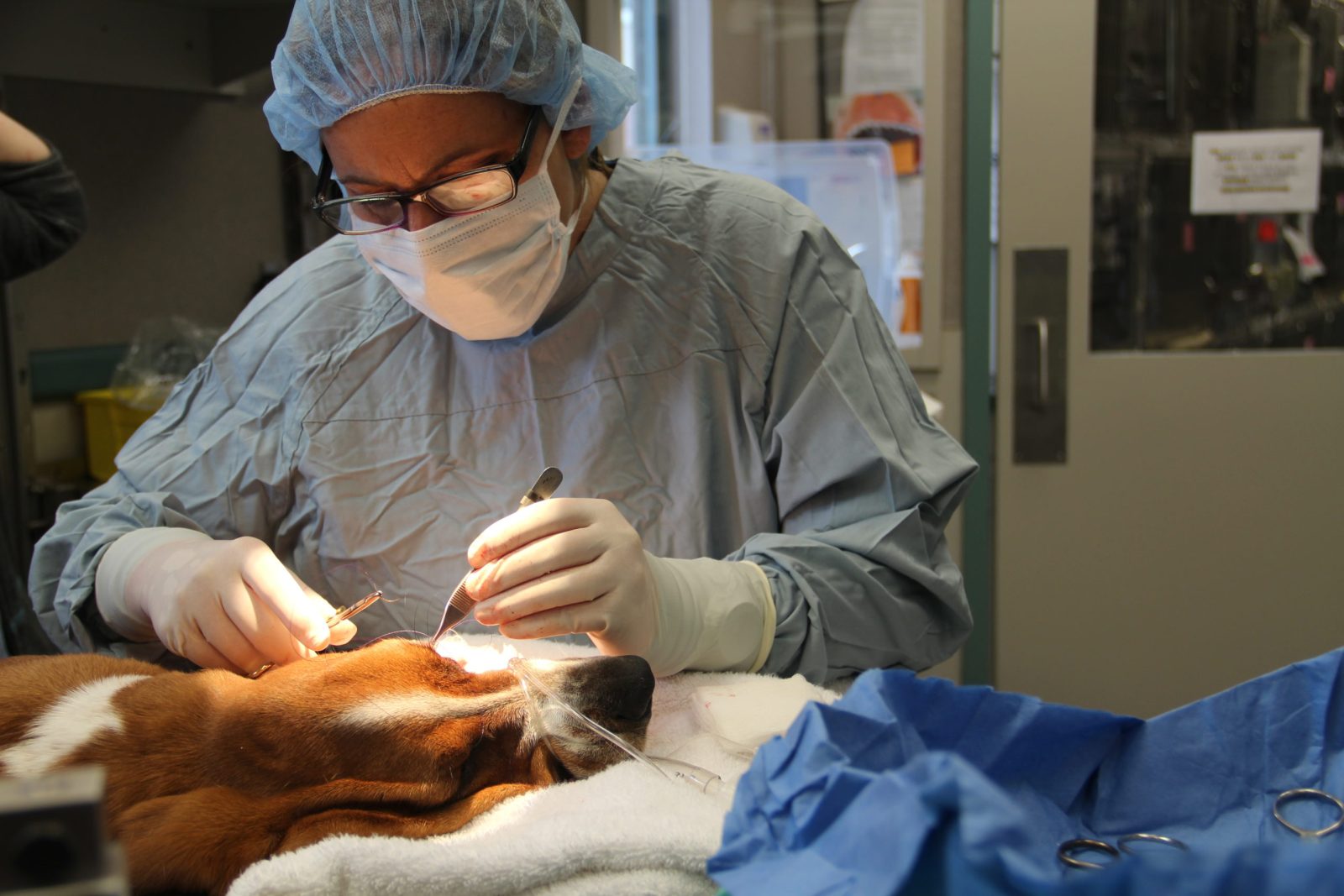
Spay and neuter programs sit at the center of responsible animal care. You see the impact every day. Fewer abandoned litters. Less noise from roaming pets. Lower risk of certain cancers. These surgeries protect your pet and protect your community. Many people wait until there is a crisis. A surprise pregnancy. A dog fight. A sick cat. By then, the cost in pain and money is high. Instead, you can plan ahead. A veterinarian in North Little Rock can walk you through the timing, costs, and recovery. You learn what to expect. You gain control. You also support shelters that struggle with crowded cages and limited staff. Each surgery means fewer animals who suffer. It means your clinic can focus on wellness, not constant emergencies. This blog explains why these programs matter, what they involve, and how you can act now.
Why clinics place spay and neuter at the center
Every clinic makes hard choices. Staff time is short. Space is tight. Supplies cost money. When you choose spay and neuter first, you prevent many later problems. You cut the number of unwanted litters. You lower the spread of some diseases. You reduce stress on your clinic and on your staff.
The American Veterinary Medical Association explains that spaying and neutering help control population and lower some health risks. You can read more at the AVMA resource here AVMA on Spaying and Neutering.
For you, this means your clinic can spend more time on wellness visits. Vaccines. Dental checks. Nutrition talks. Your team can guide families instead of reacting to one crisis after another.
How spay and neuter protect your pet
These surgeries are simple for your pet and powerful for you. They change three main things.
- They lower the risk of some cancers and infections.
- They reduce roaming, fighting, and marking.
- They prevent surprise litters that strain your home and budget.
The Humane Society of the United States shares that spayed female pets have a much lower chance of uterine infection and some breast tumors. Neutered male pets have a lower risk of testicular cancer and some prostate issues. You can see details here HSUS on Why You Should Spay or Neuter Your Pet.
When you look at the choice, you weigh short surgery time against years of lower risk. You also gain peace at home. Fewer fights. Less spraying. Less escape behavior through doors and fences.
Community impact and shelter pressure
Every unplanned litter adds weight to your community. Some puppies and kittens find homes. Many do not. Shelters carry that burden. Staff see healthy animals they cannot place. Children see full cages. Your clinic sees families in tears.
When your clinic runs strong spay and neuter programs, you ease that pressure. You cut intake numbers. You reduce euthanasia. You also lower the spread of disease in crowded shelters.
Here are three direct effects of strong spay and neuter efforts in a community.
- Fewer stray animals on streets and in parks.
- Lower bite and fight reports linked to roaming pets.
- Lower public costs for animal control and shelter care.
Spay and neuter compared to “waiting and seeing”
Some families delay surgery. They hope behavior will improve. They plan to keep pets indoors. They think one litter might be fine. The reality hits later. The table below shows a simple comparison between early spay or neuter and waiting.
| Choice | Short term impact | Long term impact |
|---|---|---|
| Spay or neuter at clinic recommendation | One day at clinic. Short recovery at home. | Lower cancer risk. Fewer behavior issues. No surprise litters. |
| Wait and see | No surgery cost right away. Ongoing heat cycles or marking. | High chance of litters. Higher risk of some cancers. Higher shelter intake. |
| Never spay or neuter | Breeding behavior. Roaming and fights. | Multiple litters. Heavy stress on family and shelters. Higher medical costs. |
This choice is not only about money. It is about harm you can prevent. It is about fear and stress you can remove from your home and your town.
What to expect from the clinic process
You may fear surgery for your pet. That fear is common. Clear steps can help you feel steady.
- You schedule an exam. The team checks age, weight, and health.
- You receive simple feeding and drop off instructions.
- Your pet comes in for surgery. The team uses pain control and close watching.
- You pick up your pet with clear home care steps and a follow up plan.
Most pets rest more for a few days. Many are back to normal play within a week. Your clinic stays ready to answer questions and see your pet again if you worry.
How you can support spay and neuter programs
You hold more power than you may feel. Your choices help your clinic and your community. You can act in three simple ways.
- Spay or neuter your own pets on time.
- Talk with family and neighbors about the benefits.
- Support low cost clinics and shelter programs with time or money.
Each action sends a clear message. You will not accept preventable suffering. You will not look away from crowded kennels and scared animals. You will stand with your clinic and your shelter staff.
Taking the next step
You do not need a perfect plan. You only need a first step. Call your clinic. Ask about timing. Ask about cost. Ask about help if money is tight. Many communities have support programs through public agencies and non profit partners.
When you choose spay and neuter, you protect your pet. You also change the story for many animals you never meet. You give your clinic room to focus on care that builds health instead of constant crisis. That single choice carries weight. It carries mercy. It also carries hope for quieter shelters and calmer homes.