

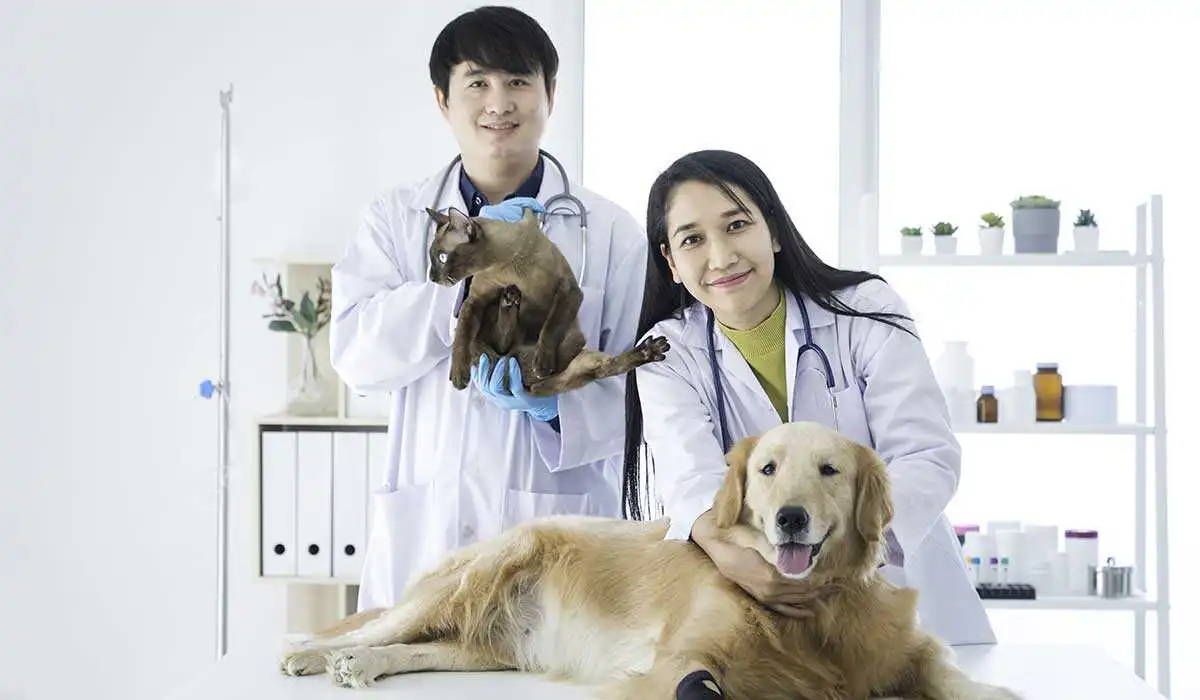
Your pet depends on you. You depend on trusted care. Animal hospitals stand in the middle of that promise. Today, pets are family. They need steady checkups, quick help in a crisis, and support for long term health. An animal hospital gives you one place for all of this. You can get exams, vaccines, lab tests, dental care, and surgery under one roof. You also get clear answers when you feel scared or unsure. A veterinarian in Midlothian, VA uses training, tools, and teamwork to spot problems early and treat them fast. This support helps your pet live with less pain and more comfort. It also helps you make hard choices with more peace. This blog explains how animal hospitals work, what to expect when you walk in, and how to use these services to protect your pet at every age.
Why Animal Hospitals Matter For Your Pet
Animal hospitals give you one clear benefit. You get many types of care in one place. Your pet does not need to move from clinic to clinic. You get one team that knows your pet and your family.
At a good hospital you find three main supports.
- Routine care to keep your pet healthy
- Urgent care when something goes wrong
- Guidance so you can make smart choices
The Centers for Disease Control and Prevention explains that pets need regular vaccines and parasite checks to protect both pets and people.
Core Services You Can Expect
You should know what most animal hospitals offer. This helps you plan and ask for what your pet needs.
1. Preventive care
- Yearly or twice yearly exams
- Vaccines based on age and lifestyle
- Heartworm tests and prevention
- Flea and tick control
- Nutrition and weight checks
The American Veterinary Medical Association notes that regular exams can catch problems before they turn severe. You can review their advice at the AVMA pet owners resource page.
2. Dental care
- Oral exams during checkups
- Professional cleanings with safe anesthesia
- Tooth extractions when needed
Quiet mouth pain can affect how your pet eats, sleeps, and acts. An animal hospital can spot this early.
3. Diagnostics
- Blood tests
- Urine and stool tests
- X rays
- Ultrasound in some hospitals
These tools help the team see what is going on inside your pet. You get clear facts instead of guesses.
4. Surgery and urgent care
- Spay and neuter procedures
- Lump removal
- Wound care
- Emergency surgery for injuries or stomach issues
Some hospitals also offer overnight care. Others work with nearby emergency clinics after hours.
Animal Hospitals And Home Pet Care
You see your pet every day. The hospital team sees your pet a few times a year. Strong care blends both roles.
- You watch for changes in eating, drinking, or mood
- The hospital checks what those changes might mean
- Together you set a plan that you can follow at home
This teamwork gives your pet steady care through each stage of life.
Comparing Routine Care And Emergency Care
When you understand the difference between routine visits and emergency visits, you act faster and with less fear. The table below gives a simple guide.
| Type of visit | Common reasons | How soon to go in | Typical outcomes |
|---|---|---|---|
| Routine checkup | Yearly exam, vaccines, refill of preventives | Book days or weeks in advance | Health review and early problem finding |
| Non urgent sick visit | Skin itch, mild limp, ear odor, soft stool | Call the same day. Visit within a few days | Testing and treatment plan |
| Emergency visit | Seizure, trouble breathing, collapse, hit by car | Go in right away | Stabilizing care and possible surgery |
| Follow up visit | Recheck after surgery or illness | Book as directed by the veterinarian | Adjust medicine and confirm healing |
When in doubt, call the hospital. Staff can tell you if your pet should be seen now or if you can wait.
How To Use An Animal Hospital Well
You get better results when you use the hospital as a partner, not just a place for emergencies.
Plan ahead
- Set routine exams on your calendar
- Keep vaccine and medicine records in one folder
- Know the hospital hours and the nearest 24 hour clinic
Ask clear questions
- What is wrong
- What are the options
- What will this cost
- What can you do at home
Honest questions help the team match care to your budget and your pet.
Watch your pet after visits
- Follow medicine and food directions
- Use a cone or leash as advised
- Call if you see new swelling, vomiting, or pain
These steps lower the risk of problems after treatment.
Building A Long Term Relationship
Pets often live more than ten years. A long bond with one animal hospital keeps care steady through all those years.
- The team learns your pet’s normal habits
- You learn how they work and how they explain things
- Trust grows on both sides
That trust matters when you face hard news. It also matters when you must choose between treatment paths.
Taking The Next Step For Your Pet
You do not need to wait for a crisis. You can call an animal hospital now and set a simple wellness exam. Bring your questions. Bring your concerns. You will leave with a clear plan and less worry.
Your pet gives you loyalty and comfort. In return you can give steady care, quick action in a crisis, and a trusted team at your side. An animal hospital makes that promise real, one visit at a time.