

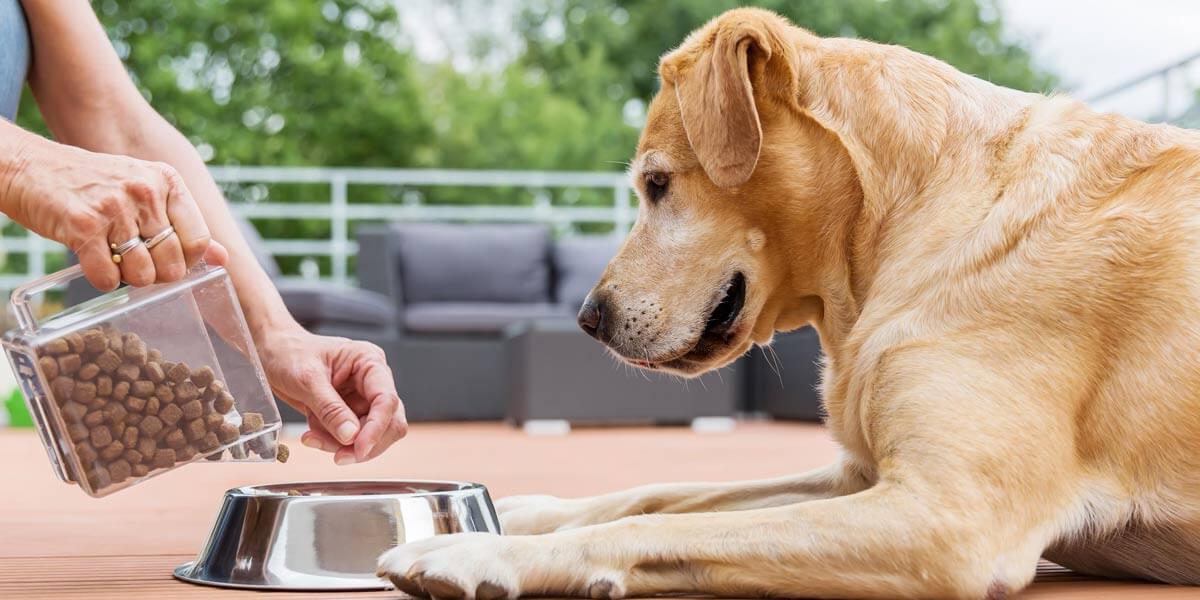
Your pet depends on you for every meal. Food shapes energy, mood, weight, and long-term health. Yet pet diets often come from guesswork, ads, or online trends. That guesswork can cause quite a lot of harm over time. A general vet knows your pet’s body, history, and risks. So nutrition advice from that vet is not extra. It is core care. A North Augusta, SC vet can spot early signs of weight gain, low muscle, or skin trouble and link them to food. Then you get clear steps, not random tips. You learn how much to feed, what to avoid, and when to change diets as your pet ages. You also learn how treats, table scraps, and supplements can hurt or help. This guidance protects your pet’s comfort and cuts the chance of sudden health shocks.
Why general vets are your first stop for pet nutrition
You see your general vet for shots, exams, and sick visits. Nutrition belongs in that same visit. Your vet:
- Reviews weight and body shape at each exam
- Checks teeth, skin, coat, and muscle for food-related changes
- Knows your pet’s medicines, past illness, and surgery history
This full picture matters. A diet that looks fine on a bag can harm a pet with kidney strain or joint pain. Your vet links food with the rest of your pet’s care. That keeps choices safe and clear.
You can read labels. You cannot see inside organs. Your vet uses blood work, urine tests, and exams to match food to organ health. That turns feeding from guesswork into a plan.
The risk of guessing your pet’s diet
Many pet owners trust ads, social media, or store displays. These sources tell only part of the story. Common risks include:
- Too many calories that cause steady weight gain
- Unbalanced home-cooked diets that miss key nutrients
- Trendy grain-free or raw diets that do not fit your pet’s health
- Overuse of treats and table scraps that upset the stomach
The United States Department of Agriculture explains that animals need a balance of protein, fat, carbohydrates, vitamins, and minerals for normal growth and health. This balance is hard to reach without guidance. Small mistakes build over the years and can end in heart strain, joint pain, or diabetes.
How vets tailor nutrition through life stages
Your pet’s needs change with age. One diet does not fit every stage. A general vet can guide you through three key stages.
Puppies and kittens
- Need more calories per pound for growth
- Need the right calcium and phosphorus ratio for bones
- Need clear feeding schedules to avoid stomach upset
Your vet helps you choose a growth formula, set meal times, and watch growth curves so joints and bones keep up with body weight.
Adult pets
- Need calories that match activity level
- Need portion control to prevent slow weight gain
- May need food that supports teeth or skin
Your vet checks weight at each exam and adjusts food amounts. You get a simple number of cups per day and a clear treat limit.
Senior pets
- Face higher risk for kidney, liver, and heart problems
- May lose muscle or gain fat with less movement
- Often need easier to chew food
Your vet can switch to senior or prescription diets based on lab tests. That change can ease strain on aging organs and support a stable weight.
Sample daily calorie needs and feeding choices
Each pet is different. Yet a simple comparison helps you see how fast calories add up. Talk with your vet before using these numbers.
| Pet type | Example weight | Approx. daily calories | Common food choice | Risk without vet input |
|---|---|---|---|---|
| Indoor adult cat | 10 lb | 180 to 220 kcal | Dry or canned adult cat food | Free feeding that causes obesity and diabetes |
| Small adult dog | 15 lb | 350 to 450 kcal | Small breed adult kibble | Too many table scraps that upset digestion |
| Large adult dog | 70 lb | 1100 to 1400 kcal | Large breed adult kibble | Overfeeding that worsens joint and heart strain |
| Senior cat | 10 lb | 160 to 200 kcal | Senior or kidney support diet | High protein or high phosphorus food that harms kidneys |
Calorie needs shift with age, activity, and health issues. That is why your vet’s guidance matters more than any chart.
Weight control and disease prevention
Extra weight is not a small issue. It cuts years from a pet’s life. The Association for Pet Obesity Prevention reports high rates of overweight dogs and cats across the United States. Extra fat raises the risk for:
- Arthritis and joint pain
- Diabetes
- Breathing trouble
- Some cancers
Your vet can set a target weight and a safe rate of weight loss. This often means:
- Switch to a weight control formula
- Measure food with a true measuring cup
- Limit treats to a set number per day
- Increase play and walks in small steps
The Centers for Disease Control and Prevention explain that a healthy weight in people lowers chronic disease risk. The same pattern holds for pets. Your vet uses similar logic for your pet’s long-term health.
Talking with your vet about food
You do not need perfect knowledge. You only need honest questions. During your next visit, ask your vet:
- Is my pet at a healthy weight today
- How much should I feed each day in cups or grams
- Which brands or diet types fit my pet’s health
- Which treatments are safe and how many are okay
- Should we change food as my pet ages
Bring the food bag or a photo of the label. Include treats and supplements. Your vet can review each item and give a simple yes or no. That short talk can prevent years of quiet damage.
Steady guidance protects your pet’s future
Food is one of the few parts of care you control every single day. Each bowl and each treat shape your pet’s comfort, energy, and lifespan. General vets stand at your side in that daily choice. With clear nutrition guidance, you cut risk, ease pain, and support more good years with your pet. Start with one step. At your next visit, ask your vet to review your pet’s diet. Then follow the plan with care. Your pet cannot choose. You can.