

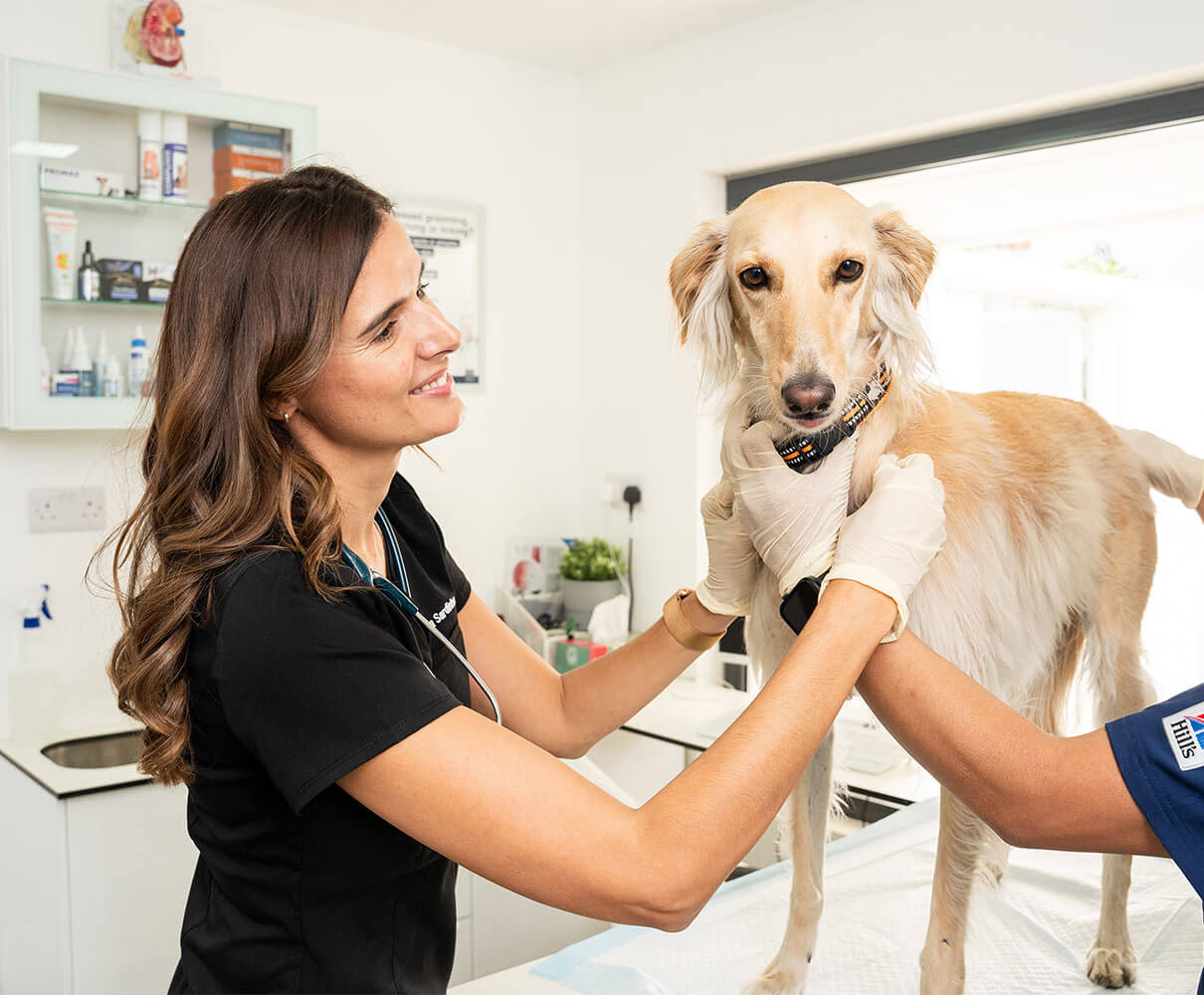
Navigating your pet’s health can feel overwhelming. Every pet is unique, with their own needs and behaviors. At veterinary hospitals, personalized treatment plans ensure your pet receives care tailored to their specific needs. You may wonder what makes these plans special. Personalized treatment plans focus on your pet’s individual health requirements. They consider factors like age, breed, and medical history. This approach leads to more effective treatments and a healthier life for your furry friend. A Fullerton veterinarian, for instance, might craft a plan that addresses specific issues like diet, exercise, and preventive care. These plans prioritize your pet’s well-being while fostering a deeper understanding between you and your pet’s healthcare team. By choosing a veterinary hospital that offers personalized care, you give your pet the best chance at a long, healthy life. This blog will show you how these plans work and why they matter so much.
Understanding Your Pet’s Unique Needs
Pets are not one-size-fits-all. Each has its own personality, health history, and lifestyle needs. Personalized treatment plans start with understanding these factors. Veterinary hospitals use comprehensive assessments to gather essential information about your pet. They consider dietary needs, activity levels, and even behavioral traits. According to the American Veterinary Medical Association, this information helps veterinarians make informed decisions about your pet’s health. It ensures treatments are not only effective but also compassionate.
Components of a Personalized Treatment Plan
Every personalized treatment plan includes several key components:
- Medical History Review: Examining your pet’s past illnesses, surgeries, and vaccinations.
- Nutritional Guidance: Offering diet recommendations that suit your pet’s age and health status.
- Exercise Recommendations: Creating an exercise routine that matches your pet’s energy levels and capabilities.
- Preventive Measures: Suggesting regular check-ups and vaccinations to prevent future health issues.
These components work together to support your pet’s overall well-being. They help identify potential health risks early, allowing for timely interventions.
Benefits of Personalized Treatment Plans
Personalized treatment plans offer numerous benefits. First, they enhance the effectiveness of medical care. By focusing on individual needs, treatments become more accurate and successful. Second, they foster a proactive approach to health. Regular check-ups and monitoring prevent minor issues from becoming serious problems. Third, they strengthen the bond between you and your pet’s healthcare team. Open communication ensures you are always informed and involved in your pet’s care.
| Standard Care | Personalized Care |
|---|---|
| General recommendations | Tailored to individual needs |
| Reactive to symptoms | Proactive and preventive |
| Limited owner involvement | Encourages owner engagement |
Choosing the Right Veterinary Hospital
When selecting a veterinary hospital, consider those that offer personalized care. Look for clinics that take time to understand your pet’s unique needs. A good hospital will communicate clearly and involve you in every decision. The Centers for Disease Control and Prevention provides resources on choosing a reliable veterinary service. Trust is key. When you feel confident in your veterinary team, you can rest assured your pet is in good hands.
Conclusion
Personalized treatment plans are a vital part of modern veterinary care. They respect your pet’s individuality, ensuring health solutions that truly fit their needs. By focusing on personalized plans, you give your pet the best shot at a happy, healthy life. Embrace this approach and work closely with your veterinary team. Together, you’ll pave the way for a future filled with well-being and joy for you and your furry companion.
