

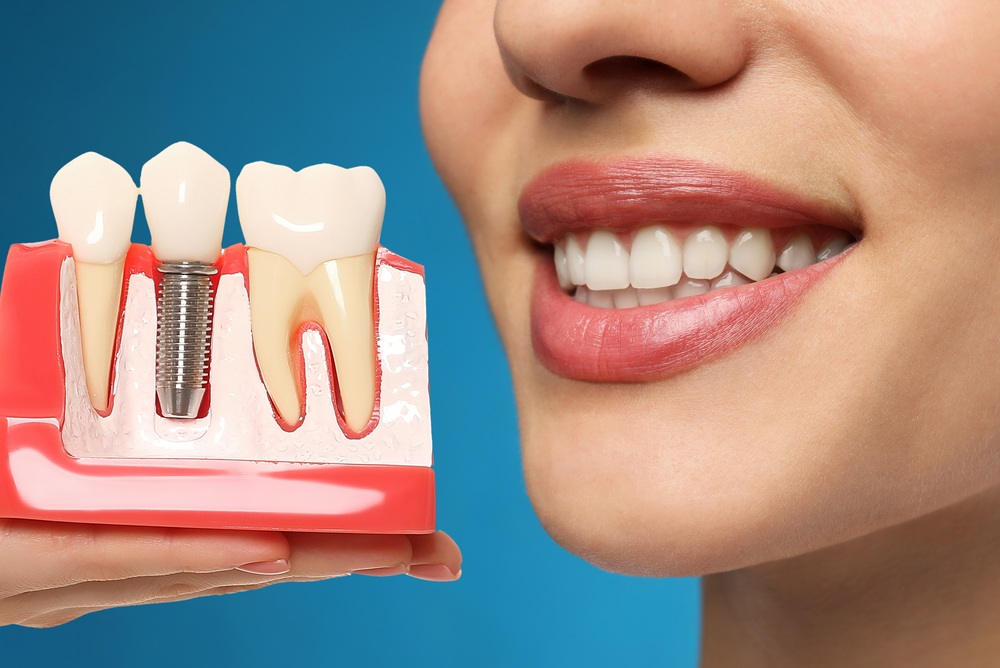
Tooth loss changes more than your smile. It also changes your face. When a tooth is gone, the bone that once held it starts to shrink. Your cheeks can sink. Your jawline can sag. You may look older than you feel. Traditional dentures sit on top of the gums and do not stop this bone loss. In contrast, dental implants act like tooth roots. They help keep the bone in your jaw active and strong. That support helps you keep your natural facial shape. Many people who search for options such as root canal Queens are really trying to protect both their teeth and their appearance. This blog explains how implant dentistry helps protect your jawbone, support your bite, and keep your face looking like you. You will see what to expect, what questions to ask, and how to talk with your dentist about the next step.
Why Tooth Loss Changes Your Face
Your jawbone needs work to stay strong. Teeth give that work. When you chew, pressure travels through the tooth roots into the bone. That pressure tells your body to keep the bone.
Once a tooth is gone, that signal stops. The bone in that spot starts to thin. Over time you may notice three changes.
- Your cheeks look hollow
- Your chin looks closer to your nose
- Your lips look thinner and pull inward
These changes can affect how you eat, speak, and smile. They can also affect how you feel about yourself. You may avoid photos. You may cover your mouth when you laugh. That strain can wear you down.
How Dental Implants Help Protect Bone
A dental implant is a small post that a dentist or specialist places in your jawbone where the tooth root once sat. Over time the bone grows around the implant. That process creates a firm base for a crown, bridge, or denture.
Most implants use titanium. Your body accepts this metal well. The key point is simple. The implant gives your jawbone a job again.
When you chew with an implant, pressure travels into the bone. The bone gets the message to stay. This can slow or stop the shrinking that causes facial changes.
Implants, Dentures, and Bridges: How They Compare
You have more than one option after tooth loss. Each option affects your face in a different way. The table below gives a simple comparison.
| Treatment | Replaces Tooth Root | Helps Protect Jawbone | Helps Preserve Facial Shape | Removable or Fixed |
|---|---|---|---|---|
| Dental implant with crown | Yes | Yes | Yes | Fixed |
| Implant supported denture | Yes | Yes | Yes | Can be fixed or removable |
| Traditional bridge | No | Partly at best | Limited | Fixed |
| Traditional full denture | No | No | Poor over time | Removable |
This chart shows one clear point. Only options that replace the root can truly support the jawbone over time.
Health Benefits Beyond Appearance
Keeping your facial shape is important. Yet implants also help your general health.
- You chew food more fully. That can support better digestion.
- You speak more clearly. That can support work, school, and social life.
- You spread bite pressure across the jaw. That can protect other teeth.
The National Institute of Dental and Craniofacial Research explains that tooth loss and poor chewing can affect nutrition and health across life.
Who Might Benefit From Implants
You may be a good candidate for implants if you have one or more missing teeth, healthy gums, and enough bone in your jaw. You also need to be able to keep your mouth clean each day.
Some health conditions can change healing. These include poorly controlled diabetes and tobacco use. Age alone does not rule you out. Many older adults do well with implants when they have good health and good support at home.
The American Dental Association mouthhealthy page on dental implants gives simple guidance you can review before you meet your dentist.
What To Expect During The Implant Process
The implant process often takes several steps.
- Exam and plan. Your dentist checks your teeth, gums, and jaw with X rays or scans. You talk about goals, budget, and timing.
- Implant placement. The provider places the implant post in the bone. You go home the same day.
- Healing time. Bone grows around the implant. This takes a few months.
- Abutment and crown. The provider attaches a connector and then a custom crown or denture.
During this time you may use a temporary tooth. You still eat, speak, and smile as you heal.
Questions To Ask Your Dentist
You have the right to clear answers. You can bring this short list to your visit.
- How will implants help protect my jawbone and face
- Do I have enough bone for implants or do I need bone grafting
- What are the risks for me based on my health
- How long will the full process take from start to finish
- What will daily care look like once the implant is in place
Taking The Next Step
Tooth loss does not need to control your face, your health, or your confidence. You can act early and protect your natural facial shape. You can also protect how you eat and speak.
Start with one step. Schedule a visit. Ask direct questions. Bring a partner or family member. Together you can decide if implant dentistry is the right path for you and your face.