

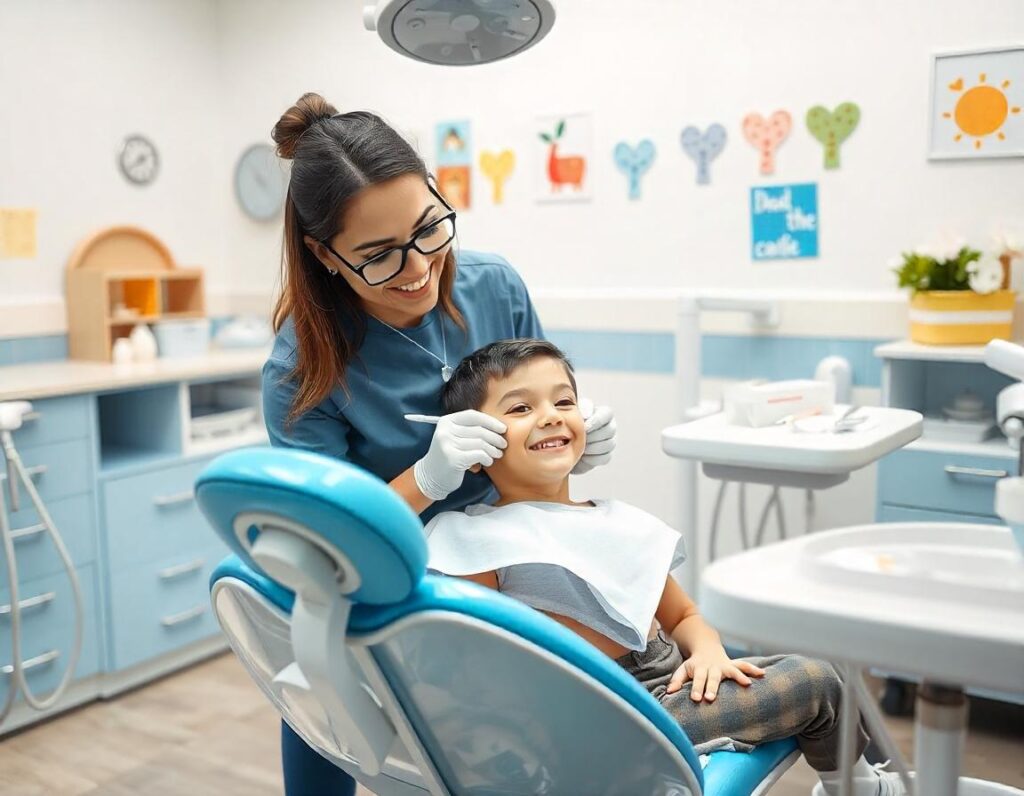
Teen years can feel harsh. Your teenager might hide their smile, avoid photos, or shrug off brushing. You see the worry. They feel the shame. Family dentistry gives both of you steady support. You and your teen meet the same trusted team. You hear the same clear plan. You face problems early, before they grow. Regular visits turn fear into routine. Cleanings, checkups, and simple tips show your teen that their mouth can change. Confidence grows when they see whiter teeth, fresher breath, and fewer cavities. Care like orthodontics in Crest Hill, IL can also guide teeth into a healthy bite. Your teen learns that a strong smile is not about luck. It is about small daily choices. You stand beside them. Your dentist stands with you.
Why Teens Often Lose Confidence In Their Smile
Teens face pressure from school, sports, and social media. Their smile often sits at the center of that pressure. A small chip or crooked tooth can feel huge to them. You may see a minor concern. They may see a reason to stay quiet in class.
Common triggers include:
- Crooked or crowded teeth
- Bad breath that does not go away with gum
- Stains from soda, coffee drinks, or tobacco
- Cavities that cause pain or visible dark spots
- Gums that bleed during brushing
These problems hurt more than teeth. They chip away at self worth. A teen who feels ashamed of their mouth may avoid smiling, speaking up, or eating with others.
How A Family Dentist Becomes A Trusted Guide
You need a partner who knows your family story. A family dentist sees you, your teen, and often younger siblings in one place. That history builds trust. Your teen does not feel like a number. They feel known.
Here is what that trust can look like in practice:
- You and your teen hear the same clear advice during visits.
- Your teen can ask private questions without fear or judgment.
- The dentist remembers past fears and checks in on them.
The American Dental Association explains that regular dental visits help find problems early and lower the need for urgent treatment. You can read more at MouthHealthy from ADA.
Routine Care That Builds Daily Confidence
Confidence grows from small wins. A family dentist helps your teen see and feel those wins.
Key parts of routine care include three steps.
- Cleanings. A hygienist removes plaque and tartar. Your teen leaves with smoother teeth and fresher breath.
- Checkups. The dentist checks teeth, gums, and bite. You get a simple summary and clear next steps.
- Coaching. Your teen learns how to brush and floss in a way that fits their life. Short, practical tips replace vague advice.
Each visit sends a quiet message. Problems are fixable. Effort matters. Your teen sees cause and effect. When they brush and floss, they hear praise and see better checkups. That feedback builds pride.
Comparing Home Care Alone With Family Dentistry Support
You may wonder if regular visits really change outcomes. The table below shows a simple comparison. Every teen is different. This table shows common patterns.
| Aspect | Home Care Only | Home Care Plus Family Dentistry |
|---|---|---|
| Cavity risk | Higher. Small problems often go unnoticed. | Lower. Dentist spots and treats early decay. |
| Gum health | Bleeding and swelling may persist. | Gums checked and cleaned at each visit. |
| Bad breath | Often masked with mints or gum. | Root cause treated with cleanings and advice. |
| Confidence in smile | Depends on appearance alone. | Grows from praise, progress, and support. |
| Cost over time | Higher chance of urgent or complex treatment. | More focus on prevention and early care. |
The Centers for Disease Control and Prevention reports that more than half of teens have had a cavity in a permanent tooth. You can see the data at CDC Oral Health Fast Facts. Regular checkups help keep that risk in check.
Orthodontic Care And The Teen Self Image
Braces or clear aligners can feel scary to a teen. They may fear pain or teasing. A family dentist helps prepare them before they see an orthodontist. You both hear why straight teeth matter for health and for cleaning.
Support often follows three steps.
- The dentist explains how crowded teeth trap food and raise cavity risk.
- Your teen sees photos or models that show how teeth can move.
- You talk through costs, timing, and daily care as a team.
When your teen starts orthodontic care, they already know what to expect. They see it as a plan, not a punishment. Each small change in their smile can lift their mood and their courage.
Your Role As A Parent Or Caregiver
You hold power to shape how your teen sees oral care. Your words and actions send strong signals. You can use three simple habits.
- Model. Brush and floss where your teen can see you. Treat your own visits as routine, not scary.
- Schedule. Keep regular appointments. Treat them like school or work, not as optional.
- Support. Stay calm if a cavity or problem shows up. Focus on the next step, not blame.
When you stay steady, your teen feels safe to admit fears or slip ups. That honesty lets the dentist help more.
Helping Teens Who Feel Afraid Or Ashamed
Some teens carry deep fear of the dentist. Others feel shame about damage they already have. You can ease that burden.
Try these steps.
- Tell your teen that many people avoid care for years. They are not alone.
- Ask the office to note any fears in the chart. That way staff can respond with patience.
- Plan a simple reward after the visit, like a walk or favorite activity.
Over time, each visit replaces fear with a new memory. Your teen learns that care brings relief, not punishment.
Turning Today’s Care Into Lifelong Confidence
Family dentistry does more than fix teeth. It teaches your teen that their body deserves care, not shame. That lesson can last long after they leave home.
When you choose regular visits, you give your teen three lasting gifts.
- A healthy mouth that looks and feels clean.
- Skills to manage their own care as an adult.
- Confidence to smile, speak, and show up in the world.
You and your dentist cannot remove every hardship your teen faces. Yet together you can give them a strong, steady smile. That strength can help them face the rest.