

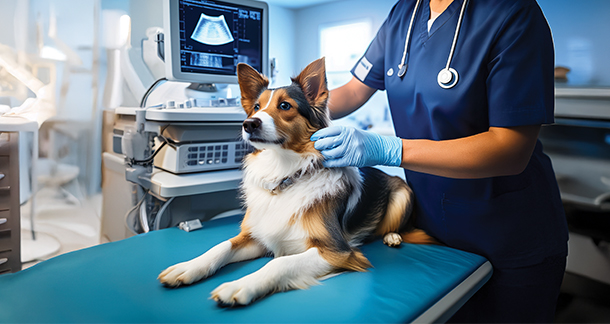
Animal hospitals do more than treat sick pets. They also help build the knowledge that protects animals everywhere. When you walk into a clinic, you see exams, vaccines, and surgery. Behind that, you often see careful recordkeeping, sample collection, and data that support studies on disease, pain, and recovery. These studies shape the treatments your pet receives next year. They also guide training for every new veterinarian in the Columbia Maple Lawn area and beyond. You may sign consent forms. You may answer questions about your pet’s history or response to a new therapy. Each honest answer carries weight. It can help detect patterns in illness, improve safety, and reduce suffering for other animals. This blog explains how local hospitals support research, how your choices matter, and how you can protect your pet while supporting progress.
Why research in animal hospitals matters to your family
Research in animal hospitals may sound distant. It is not. It shapes the care your pet receives during every visit. It affects pain control, vaccine schedules, and safe anesthesia. It supports new options when common treatments stop working.
Federal groups such as the U.S. Food and Drug Administration explain that careful studies guide safe drug use in animals. You can read more on the FDA’s Center for Veterinary Medicine page. That research does not live only in large labs. It often starts with data from everyday hospital visits.
Your pet’s records can help answer questions like:
- Which vaccines protect best in your region
- How often certain cancers appear in a breed
- Which pain plans give better comfort after surgery
These answers protect both your pet and the pets that come after yours.
How animal hospitals support veterinary studies
Most animal hospitals support research through three main paths. They collect data. They join formal studies. They train the next generation of veterinarians.
Careful data collection
Each visit creates a trail of facts. Weight, temperature, test results, medicines, and outcomes. When hospitals store this information in secure systems, researchers can review trends without seeing names.
Veterinary schools and public agencies use this kind of data to track disease outbreaks. For example, the U.S. Department of Agriculture shares animal health reports and disease updates. Local hospitals are often the front line for these reports.
Clinical studies and trials
Some hospitals work with universities or government partners on planned studies. These studies test new drugs, new surgery methods, or new ways to prevent disease.
When your pet joins a study, the team follows a written plan. There are clear rules for safety. There is close monitoring. There is always the option to stop.
Training and teaching
Animal hospitals also shape research through teaching. Students learn how to ask strong questions. They learn how to measure results. They learn how to protect animals during every step.
This training means the care you see in private practice tomorrow reflects the lessons from studies done today.
Your role as a pet owner
You have power in this process. You can choose how your pet’s information supports research. You can ask for clear answers before you sign anything.
Before you agree to share data or join a study, you can ask:
- What is the goal of this study
- What will happen to my pet during the study
- What are the possible risks and benefits
- How is my pet’s information protected
- Can I leave the study at any time
Good hospitals answer every question in plain terms. They respect your choice. They do not use pressure.
Common ways your pet may support research
Your pet can support research without extra travel or cost. Many steps are part of normal care. Others are optional.
| Type of involvement | What it looks like in a visit | What you should ask |
|---|---|---|
| Use of medical records | Clinic uses past visit data without names to study trends | How is my pet’s identity removed from the data |
| Extra survey questions | You answer short forms about behavior or home life | Who reads these answers and for what purpose |
| Extra blood or tissue sample | Small extra tube collected during planned tests or surgery | Will this change the risk or cost of today’s visit |
| Clinical study or trial | Your pet receives a set plan of tests or treatments | What are the side effects and how often do they appear |
| New device or tool | Use of a new monitor, bandage, or comfort tool | Is this device already approved for common use |
How research protects animal welfare
Strong research does not ignore animal welfare. It depends on it. A stressed or suffering animal does not give clear results. Care teams know this truth.
Research in hospitals follows core rules.
- Use the least number of animals needed to answer a question
- Reduce pain through planning, pain medicine, and calm handling
- Replace animal use with models or lab tests when that gives honest answers
These rules mirror standards in human medicine. They reflect a long history of learning from past harm and choosing a safer path.
Questions to ask your animal hospital
You do not need a science background to judge research. You only need clear questions and honest answers.
You can ask your hospital:
- Do you take part in any research projects
- Who reviews and approves those projects
- How do you protect the comfort of animals in studies
- How can I support research without adding risk for my pet
If the staff seems rushed, you can ask to schedule a call. Your peace of mind deserves time and focus.
How to balance hope and caution
Research can open doors when your pet faces a hard disease. A study may offer a new treatment that is not yet common. That can bring hope. It can also bring fear.
To balance both, you can:
- Write down your questions before the visit
- Bring a trusted person to listen and take notes
- Ask for written information about the study
- Take time at home before you decide
Strong teams respect a careful choice. They do not rush you. They know that a calm, informed owner supports better care and clearer results.
Moving forward with confidence
Animal hospitals stand at the center of veterinary research. They touch your pet’s daily life. They feed the studies that shape tomorrow’s care. They train the veterinarians who will care for your family for years.
When you understand this role, you can step into visits with clear eyes. You can ask direct questions. You can choose how your pet’s story supports the health of many others.
Your voice has weight. Your choices guide the kind of research that grows. With patient questions and honest answers, you help build a future with less pain and stronger health for every animal that walks through a clinic door.