

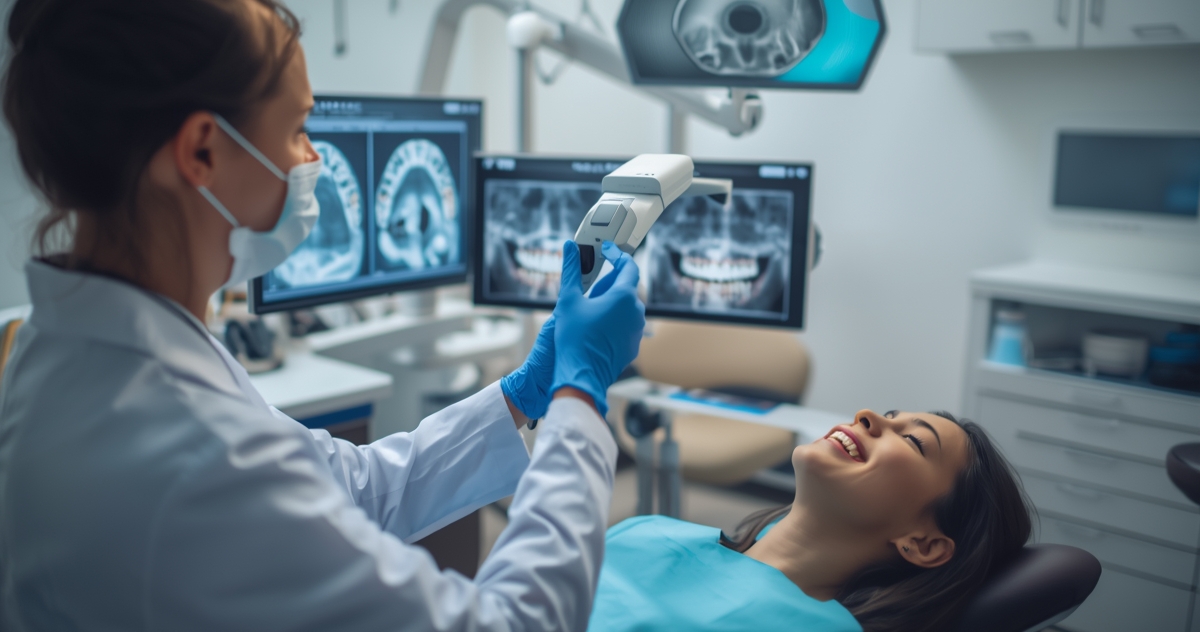
Your mouth needs steady care and smart tools. General dentistry now gives you both. You still get cleanings, exams, and fillings. You also get new options that are faster, quieter, and more precise. Today your dentist uses digital scans instead of sticky molds. You see clear images of your teeth on a screen. You can choose treatments that fit your daily routine with less disruption. For example, Invisalign in Livermore lets you straighten teeth with clear trays instead of metal brackets. You can remove them to eat and brush. You still get careful checkups and honest advice. You also get modern planning and treatment that protect more of your natural tooth. This mix of old and new helps you stay comfortable, informed, and in control of your care.
Why routine care still matters
Modern tools do not replace the basics. You still need three things.
- Regular cleanings
- Thorough exams
- Early treatment of small problems
You brush and floss at home. You still miss spots. Hard deposits build up. Your dentist or hygienist removes them during a cleaning. This lowers your risk for cavities and gum disease.
During an exam your dentist checks your teeth, gums, tongue, and jaw. You might not feel small changes. Your dentist often sees them early. That early catch can stop pain, lost teeth, and high costs later. The Centers for Disease Control and Prevention explains that untreated decay and gum disease can lead to infection and tooth loss. Routine care blocks that chain.
How modern tools change your visit
New tools do not change the goal. They change how your dentist reaches it. You feel the difference in three clear ways.
- Less time in the chair
- Less guesswork
- Less stress for you and your family
Digital X-rays use sensors instead of film. You see the image on a screen in seconds. You get less radiation than with older film systems. The National Institute of Dental and Craniofacial Research notes that dental X-rays are low in radiation when used with care and modern equipment.
Digital scanners replace putty molds for many treatments. A small camera moves across your teeth. It builds a 3D image. You do not need to sit with a tray that makes you gag. Your dentist can zoom in and show you cracks, wear, and crowding.
Computer software then helps plan care. Your dentist can test options on the screen before touching your tooth. This protects more natural enamel. It also helps you see why a treatment is needed.
Traditional vs modern tools
The table below compares common older methods with newer options you might see during a visit.
| Type of care | Traditional method | Modern tool | What you notice |
|---|---|---|---|
| Impressions | Putty trays | Digital scanner | No sticky material. Faster images. |
| X-rays | Film X-rays | Digital X-rays | Quick pictures. Less radiation. |
| Cavity check | Metal probe only | Probe plus digital images | Clear view of weak spots. |
| Tooth repair | Metal fillings | Tooth colored fillings | More natural look. |
| Teeth straightening | Metal braces | Clear aligners | Removable trays. Easier brushing. |
Clear aligners and everyday life
Teeth straightening once meant wires and brackets that stayed on all day. Today clear aligners give you another choice. Your dentist or orthodontist uses digital scans and software to plan each small tooth movement. You then wear a series of trays that guide your teeth into better positions.
This approach often fits busy family life. You remove the trays to eat. You brush and floss without threaders or special tools. You still must wear the trays for most of the day. You also need regular checks to track progress. The mix of careful planning and regular visits keeps treatment on course.
Comfort and calm for your family
Modern dentistry respects fear and past hurt. Many people carry memories of loud drills and long waits. New tools help lower that burden in three ways.
- Quieter equipment
- Gentler numbing options
- Shorter visits with fewer surprises
Your dentist can use numbing gels before a shot. Thinner needles and slow delivery make the sting less sharp. New drill designs and slower speeds for certain steps reduce heat and noise. Digital planning can also limit how much tooth needs shaping. You spend less time with your mouth open. Children often respond well when they see pictures of their teeth and hear clear, simple words.
How you and your dentist decide together
Good care is shared. Technology supports that. It does not replace your judgment or your dentist’s training. During a visit you can expect three steps.
- Review of your health and habits
- Visual tour of your teeth with photos or scans
- Plain language talk about choices
You can ask about cost, time, and what happens if you wait. You can also ask what option protects the most natural tooth. A thoughtful dentist uses both long tested methods and new tools. The choice should match your health, not a trend.
Keeping care family friendly
Families need simple routines. You can anchor your plan with three habits.
- Brush two times a day with fluoride toothpaste
- Floss once a day
- Schedule regular cleanings and exams
Modern tools then add support when needed. Digital reminders help you keep visits on schedule. Fluoride varnish, sealants, and early orthodontic checks can protect children’s teeth as they grow. Adults gain from screenings for gum disease and oral cancer. Technology helps catch problems early. Basic habits keep risk low between visits.
Putting old and new to work for you
General dentistry now blends trusted methods with smart devices. You still rely on cleanings, exams, and honest guidance. You also benefit from scanners, digital X-rays, and clear aligners that fit into real life. When you understand both sides you can ask sharper questions and choose with more confidence. That shared approach keeps your mouth healthier and your family more at ease in the chair.