

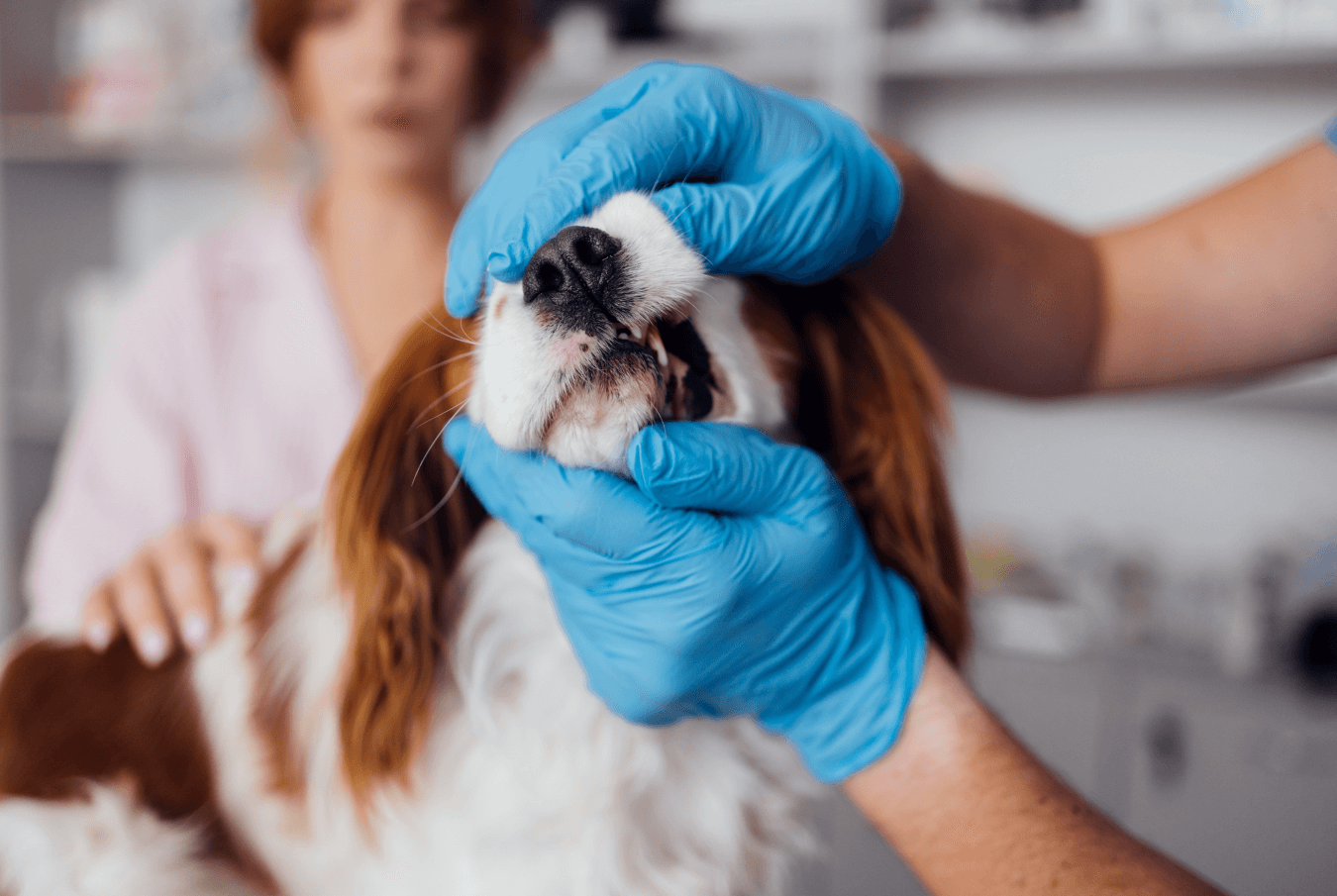
Your pet’s mouth affects every part of the body. You might see only bad breath or yellow teeth. Yet silent infection, pain, and tooth damage can strain the heart, kidneys, liver, and immune system. Routine dental care does more than clean teeth. It lowers long term inflammation, fights infection, and protects organs that keep your pet alive. At Manhasset veterinary visits, your team checks gums, teeth, tongue, and jaw for early signs of disease. Early care prevents deep infection, tooth loss, weight loss, and behavior changes from pain. It also keeps your pet eating, playing, and resting with less stress. You do not need special training to help. You only need clear steps, steady habits, and support from a trusted care team. This guide explains how dental exams, cleanings, and home care protect your pet’s whole body health.
Why the Mouth Matters for the Whole Body
Gum disease starts with plaque and tartar. Bacteria sit at the gumline and slip into the bloodstream. From there, they can reach many organs. The American Veterinary Medical Association reports that most dogs and cats show some dental disease by age three.
When bacteria and inflammation stay in the mouth, your pet faces three major risks.
- Heart strain from bacteria that can stick to heart valves
- Kidney and liver stress from filtering infected blood
- Immune system fatigue from constant low grade infection
Chronic pain from bad teeth also changes how your pet eats, moves, and behaves. That slow grind of pain can shorten life and reduce joy long before you notice obvious signs.
Common Dental Problems and What They Mean for Health
Dental disease rarely stays “just in the mouth.” The table below shows frequent oral problems and how they can affect the rest of the body.
| Dental problem | What you might notice | Whole body impact |
|---|---|---|
| Gingivitis | Red gums. Mild smell. Drooling. | Early inflammation that can spread through the bloodstream if ignored. |
| Periodontal disease | Bleeding gums. Loose teeth. Pain when eating. | Higher risk for heart, kidney, and liver problems from chronic infection. |
| Tooth fracture | Sudden pain. Dropped food. Chewing on one side. | Open path for deep bone infection and abscess that can spread. |
| Tooth resorption in cats | Jaw chatter. Pawing at mouth. Refusal of dry food. | Severe pain that leads to weight loss and muscle loss. |
| Stomatitis | Strong odor. Red mouth tissue. Trouble closing mouth. | Overactive immune response that affects energy and appetite. |
Each problem brings pain. Each also brings risk for infection that can spread and damage organs over time.
How Dental Care Protects the Heart, Kidneys, and More
Healthy gums form a tight seal around each tooth. When that seal breaks, bacteria gain a direct path into the body. Over time this can harm many systems.
- Heart health. Bacteria from diseased gums can attach to heart valves. That can lead to heart murmurs and heart failure.
- Kidney and liver health. These organs filter blood. They work harder when blood carries constant bacteria and toxins.
- Joint comfort. Chronic oral infection can fuel joint inflammation. That can worsen arthritis pain.
The link between oral and systemic disease is well known in human medicine. You can see a parallel message from the National Institute of Dental and Craniofacial Research at this gum disease resource. Pets face similar patterns. When you protect the mouth, you protect the rest of the body.
What Happens During a Veterinary Dental Visit
A full veterinary dental visit does more than scrape tartar. It is a medical procedure built to find and treat hidden disease.
You can expect three main steps.
- Careful exam. The team checks gums, teeth, tongue, palate, and jaw. They look for redness, pockets, loose teeth, and growths.
- Dental X rays. These images show the roots and bone. Many problems hide below the gumline where you cannot see them.
- Cleaning and treatment. The team removes plaque and tartar above and below the gumline. They polish teeth. They extract teeth that cannot be saved and treat any pockets of infection.
Anesthesia protects your pet from fear and pain. It also allows safe cleaning under the gumline. That is where disease starts and where lasting protection begins.
Signs Your Pet Needs Dental Help Now
Pets rarely stop eating until pain is intense. You need to watch for early clues. Call your veterinarian if you notice any three of these signs together.
- Bad breath that does not fade after diet changes
- Red or swollen gums
- Brown or gray build up on teeth
- Dropping food or chewing on one side
- Pawing at the mouth or rubbing the face
- Bleeding from the mouth
- Weight loss or slower eating
- New hiding, growling, or snapping when touched near the head
Early action protects the mouth and the organs that depend on clean blood and steady nutrition.
Home Habits That Support Whole Body Health
Daily home care will not replace professional cleanings. It will stretch the time between them and lower disease risk.
You can start with three simple habits.
- Tooth brushing. Use a pet safe toothpaste and a soft brush. Aim for short sessions. Focus on the outer surfaces of teeth.
- Dental treats and diets. Choose products approved by veterinary dental groups. These help reduce plaque buildup.
- Regular checks at home. Lift the lips once a week. Look for redness, swelling, or chipped teeth.
Set a routine that fits your life. Even three brushings a week can help. Any step that lowers plaque also lowers the load on the heart, kidneys, and immune system.
Working With Your Veterinary Team
You do not need to know every detail of dental disease. You only need to ask steady questions and share what you see at home. At each visit, talk with your veterinarian about three points.
- Current mouth condition and any new changes
- Timing of the next dental cleaning
- Simple home steps for your pet’s age and health
When you protect the mouth, you guard your pet’s heart, kidneys, and mind. Small daily habits and regular Manhasset veterinary care can add comfort, years, and peace to your pet’s life.