

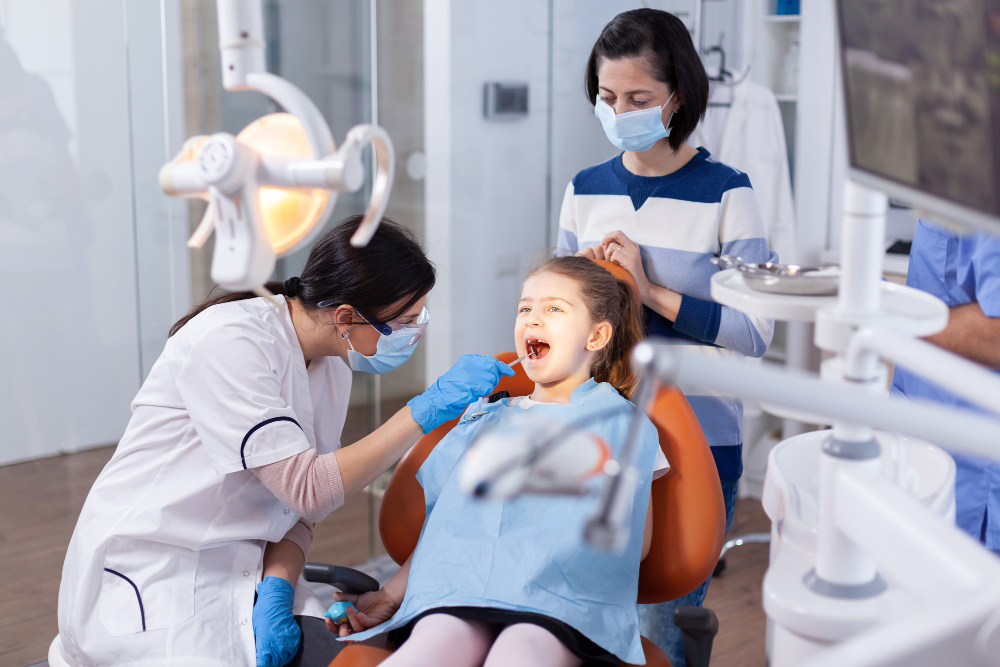
Your mouth changes a lot as you grow. Teeth shift. Jaws widen. Habits form. You may not notice these slow changes, but they shape how you eat, speak, and smile. A family dentist watches these changes over many years. You build trust. They learn your history. They see patterns you might miss. This long view helps catch problems early and guide steady growth. It also helps you avoid sudden pain, rushed treatment, and high costs. Regular visits support crowded teeth, worn enamel, and gum issues. Ongoing care also supports choices like braces, mouth guards, or dental implants in Oshawa. Each step fits into a bigger plan for your mouth. This blog shows three clear ways a family dentist tracks your long term oral growth and protects your future health.
1. They Track Growth From Baby Teeth To Adult Teeth
A family dentist starts with baby teeth and keeps watching as adult teeth come in. You get one mouth. It deserves steady attention from early childhood through older age.
During checkups, the dentist looks at three simple things.
- How teeth come in and line up
- How the jaws fit together
- How habits affect growth
The dentist uses exams, photos, and X rays to build a record. That record shows how your bite changes over time. It also shows when growth speeds up or slows down. According to the U.S. National Institute of Dental and Craniofacial Research, regular exams help catch tooth decay and bite problems early, when treatment is easier and cheaper.
Here is a simple view of what a family dentist often watches by age group.
| Life stage | Common growth checks | Common dentist actions |
|---|---|---|
| Early childhood(ages 1 to 6) | Baby tooth spacing.Thumb or pacifier use.Early jaw growth. | Teach brushing.Guide habits.Plan first X rays. |
| Childhood to teen(ages 7 to 17) | Adult teeth coming in.Crowding or gaps.Bite and jaw balance. | Refer for braces.Suggest mouth guards.Plan wisdom tooth checks. |
| Adult(18 and older) | Wear on teeth.Gum health.Jaw pain or grinding. | Night guards.Restorative work.Implant and denture planning. |
This steady tracking helps you avoid sudden shocks. You see changes coming. You plan for them. Your child also learns that dental visits are normal and safe.
2. They Use History To Guide Smart Treatment Choices
A family dentist knows your story. They know past fillings, sports injuries, braces, and missed visits. That history matters. It shapes every treatment choice.
For example, if your child had crowded teeth at age eight, the dentist will watch closely at age twelve. They will look for patterns, not single visits. This long view helps with three key choices.
- When to start or stop braces
- When to remove wisdom teeth
- When to plan more complex treatment
Your dentist can compare old X rays to new ones. You both see how roots formed, how bone changed, and how gums reacted. This helps you choose between options like fillings, crowns, or replacements. It also helps you time larger steps, such as implants, so the jaw is ready and strong.
For children and teens, this record supports early action. The American Academy of Pediatric Dentistry notes that early evaluation can reduce the need for more intense treatment later.
For adults, history helps manage long term issues. If you grind your teeth, the dentist can measure wear over time. If you smoke, they can track gum and bone loss. If you have diabetes, they can watch for slow healing. Each visit adds a new layer of detail.
Over years, this record turns into a clear map of your mouth. That map supports calm, informed choices. You do not guess. You see proof.
3. They Plan For Restorations And Tooth Replacement Over Time
Teeth can chip, crack, or fail. Gums can recede. Bone can shrink. A family dentist does not wait for a crisis. They track risks early and plan for the future health of your mouth.
This planning often includes three linked steps.
- Protect what you have
- Repair what is damaged
- Replace what is lost
First, the dentist works to protect your natural teeth. They use cleanings, fluoride, and sealants when needed. They coach you on brushing and flossing. They suggest mouth guards for sports or night guards for grinding.
Next, they repair damage. Small cavities get fillings. Larger breaks may need crowns. Each repair is tracked. Over time, the dentist can see which teeth hold up and which teeth fail again and again.
Finally, they plan for replacement when teeth cannot be saved. This may include bridges, partial dentures, or implants. Since the dentist has watched your growth, they know when your jaw is stable enough for options like dental implants in Oshawa or similar treatment in your own community. They also know how your bite comes together. That helps the new teeth feel natural and work well.
Here is a simple comparison of common replacement options that a family dentist might discuss with you.
| Option | What it does | Typical checks over time |
|---|---|---|
| Bridge | Fills a gap by joining to nearby teeth. | Check support teeth.Watch for decay around edges.Monitor bite changes. |
| Partial denture | Replaces several missing teeth that you can remove. | Check fit and comfort.Watch gum health.Adjust clasps as jaws change. |
| Dental implant | Replaces a single tooth root with a post in the bone. | Check bone level.Watch gum health.Check bite on the crown. |
With regular visits, your dentist can adjust these solutions as you age. A denture may need a reline. A bridge may need extra cleaning help. An implant crown may need small bite changes. You stay ahead of problems instead of reacting in fear when something breaks.
Why Staying With One Family Dentist Matters
Staying with one practice is not about loyalty. It is about your health and your comfort. Each visit builds trust. Each record adds proof. Over years, your family dentist becomes a witness to your growth.
You gain three steady benefits.
- Early warning when growth or wear drifts off track
- Clear choices based on your history, not guesswork
- A long range plan for keeping and replacing teeth
Your mouth tells a long story. A family dentist helps write that story in a way that protects your comfort, your confidence, and your ability to eat and speak with ease at every age.