

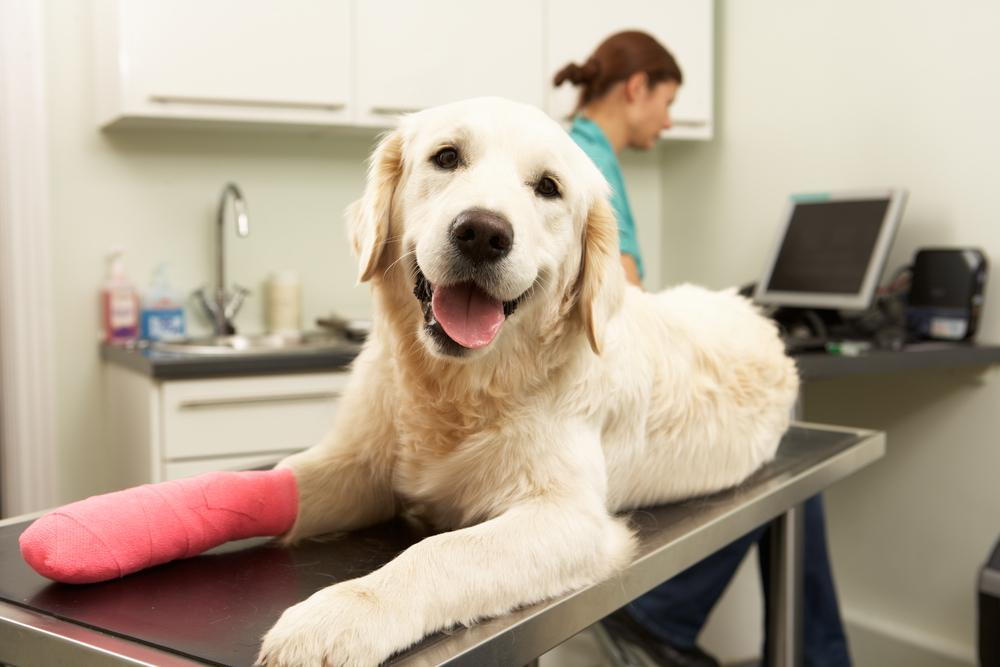
Rehabilitation can feel scary when your pet is in pain and you feel helpless. You want clear answers. You want to know what to do each day. Animal hospitals give you that structure. They explain what is happening in your pet’s body. They set goals you can understand. They teach you safe exercises, simple routines, and signs of progress. You learn how to protect healing joints, calm fear, and manage medication. You also learn when to push and when to stop. A veterinarian in Richmond, TX might use tools like underwater treadmills, balance boards, or laser therapy. You still guide most of the healing at home. That is why you get written plans, follow up visits, and honest talk about limits. You are not expected to guess. You receive a clear path that turns fear into steady, patient work for your pet.
What Rehabilitation Means For Your Pet
Rehabilitation is simple. It is a plan that helps your pet move, heal, and return to daily life after injury, surgery, or illness. You work with your animal hospital to reach three clear goals.
- Reduce pain
- Restore safe movement
- Support long term health
Rehab is not only for large surgeries. It can help older pets with stiff joints, pets with weight problems, or pets with nerve injuries. The American Veterinary Medical Association explains that rehab can improve function and comfort when movement is limited. You can read more at the AVMA resource on physical rehabilitation here https://www.avma.org/resources-tools/animal-health-and-welfare/physical-rehabilitation.
Your First Rehabilitation Visit
The first visit often feels heavy. You may fear bad news or long recovery. The hospital team understands that weight. They guide you step by step.
During that visit, you can expect three main parts.
- History. You explain what happened, what your pet can do, and what seems to cause pain.
- Exam. The team checks joints, muscles, and nerves. They watch how your pet stands, walks, and sits.
- Plan. You leave with clear goals, home tasks, and a schedule for follow up.
You can ask about side effects, costs, and time. A good team answers in simple words and writes key points in your plan. You should not leave with guesswork.
Common Rehabilitation Tools And Methods
Animal hospitals use many tools. The right mix depends on your pet, your schedule, and your budget. Here is a simple comparison table that shows common rehab methods and what they do.
| Method | Main Purpose | Typical Session Length | Home Use |
|---|---|---|---|
| Underwater treadmill | Supports joints and builds strength with water | 15 to 30 minutes | No. Clinic use only |
| Therapeutic exercises | Improve balance, strength, and joint use | 10 to 20 minutes | Yes. You repeat at home |
| Cold packs or heat packs | Manage pain and stiffness | 5 to 15 minutes | Yes. With clear safety steps |
| Laser or light therapy | Support tissue healing and ease pain | 5 to 10 minutes | No. Clinic use in most cases |
| Massage and stretching | Relax tight muscles and support motion | 5 to 15 minutes | Yes. After you learn safe methods |
Each tool has risks and benefits. Your team explains which ones match your pet and why. If something feels unsafe, you can say so. The plan should fit your comfort level.
Your Role At Home
Most healing happens in your home. Your actions matter every day. The hospital team helps you turn your home into a safe rehab space.
You can expect three key supports.
- Written instructions. Step by step guides with clear pictures or short notes.
- Home safety tips. Ideas for rugs, stairs, crates, and outdoor time.
- Checkpoints. Signs that show progress and signs that show trouble.
The Colorado State University Veterinary Teaching Hospital explains that rehab plans should start soon after surgery and include home work, clinic visits, and careful monitoring. You can read an example of a structured approach here https://www.csuanimalcancercenter.org/physical-rehabilitation.
How Animal Hospitals Support Your Emotions
Rehab is not only about muscles and joints. It also touches your worry, grief, and hope. Animal hospitals guide both you and your pet through that strain.
They support you in three ways.
- Clear talk. They tell you what to expect. They do not hide limits. This honesty lowers shock and blame.
- Shared decisions. They ask what matters most to you. They shape the plan around comfort, time, and your household.
- Regular contact. They plan check ins so you can ask questions and adjust tasks before problems grow.
This support helps you stay steady. A calm and steady owner helps a scared pet trust the process.
Setting Realistic Goals And Timelines
Rehab is not a quick fix. Your hospital team helps you set goals that match your pet’s age, injury, and daily life. They often break goals into three stages.
- Short term. Control pain. Protect the injury. Get your pet to rest and eat.
- Middle term. Improve strength and motion. Reduce the need for strong pain medicine.
- Long term. Support safe play and daily tasks. Prevent new injury.
Timelines differ. A young dog after knee surgery might need months of rehab. An older cat with arthritis might need ongoing gentle work. You deserve a clear picture of what each week may look like.
When To Call Your Animal Hospital
You should never feel that you must wait and hope if something feels wrong. Your rehab plan should list warning signs that mean you need help. Common ones include three things.
- Sudden swelling or heat in a joint
- Refusal to put weight on a limb that had improved
- New fear, growling, or crying when you touch the injury
If you see any of these, call your hospital. Bring your notes. Your team can change exercises, adjust medicine, or schedule an exam.
Standing Beside Your Pet Through Recovery
Rehabilitation is hard work. It can also be steady, clear, and kind when you have the right guide. Animal hospitals give you structure, knowledge, and support. You bring patience, love, and daily action. Together you create a path that respects your pet’s limits and honors your bond. You do not walk that path alone. The right team stands with you at each step.