

You do a lot to protect your mouth during a checkup. What you do between visits matters even more. Small daily habits can stop pain, bad breath, and tooth loss before they start. They also help your dentist in East Liverpool Ohio find fewer problems and fix issues faster. This guide gives you six clear tips you can start today. You will learn how to clean your teeth better, protect your gums, and use simple tools at home. You will also see how food, drinks, and tobacco affect your mouth. Each step is easy to follow. Together they build strong routines that support every cleaning and exam. Your future self will feel less fear in the waiting room and more control over your health. Start with one change. Then add the rest. Your mouth, body, and budget will all feel the difference.
1. Brush the right way, at the right times
Brushing twice a day is not enough. How you brush matters. Time, angle, and pressure change your results.
- Brush two times each day for two minutes.
- Use a soft bristle brush and fluoride toothpaste.
- Hold the brush at a slight angle toward your gumline.
- Use short strokes. Clean every surface of every tooth.
The American Dental Association explains that fluoride helps rebuild weak spots in enamel and lowers the chance of decay.
First, set a timer or use an electric brush with a built in timer. Second, replace your brush every three to four months or sooner if bristles spread out. Third, after brushing, spit out the foam and do not rinse with water. That keeps fluoride on your teeth longer.
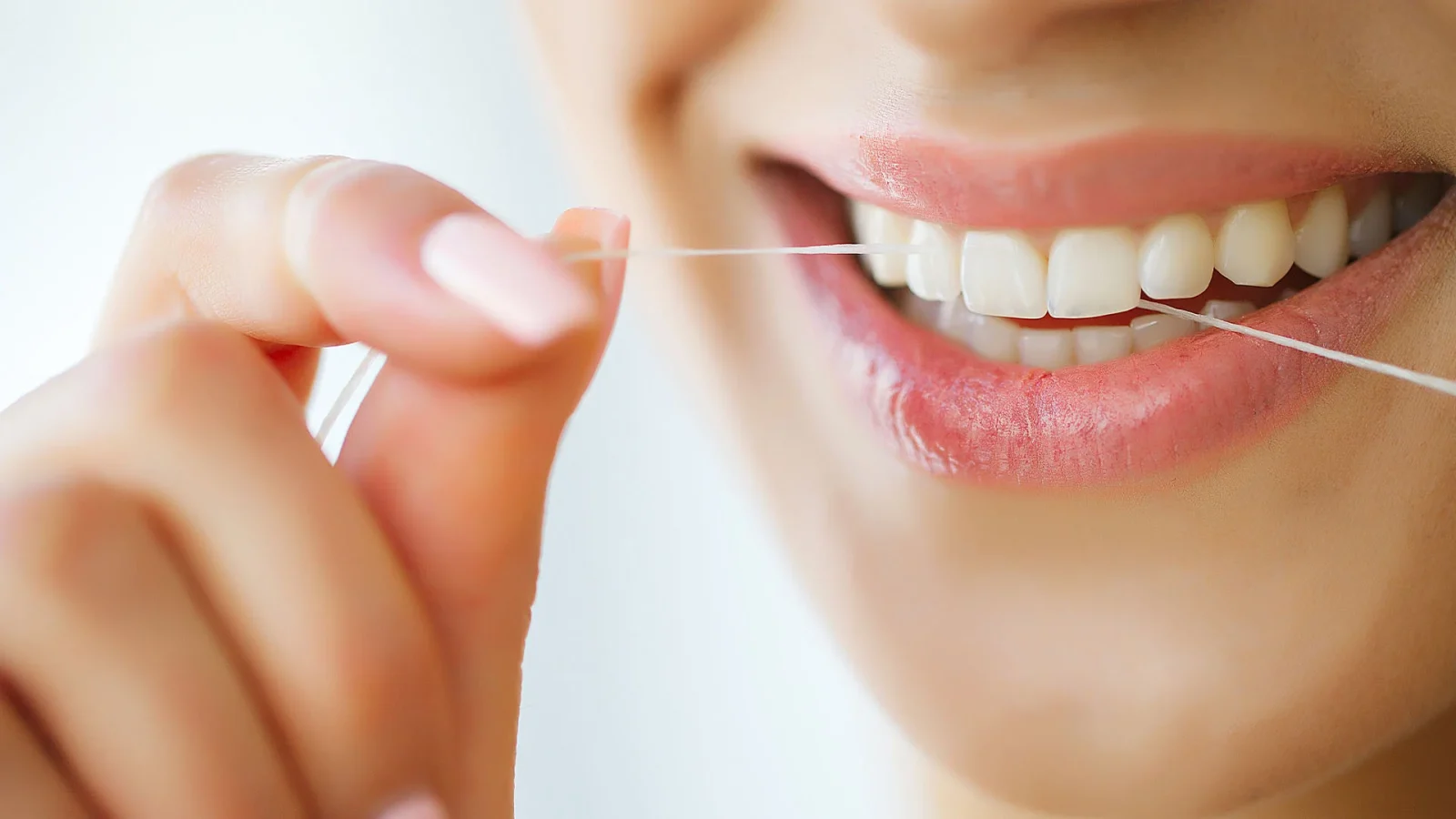
2. Floss once a day to clean where brushes miss
Brush bristles do not reach between teeth. Food and germs hide there and start to rot. Floss reaches those tight spots and breaks up sticky film before it hardens.
Follow three simple steps.
- Use about 18 inches of floss and wrap it around your middle fingers.
- Slide the floss between teeth and curve it into a C shape against the side of each tooth.
- Move it up and down. Do not snap it into your gums.
You can also use floss picks or small brushes between teeth if regular floss feels hard to handle. For children, help them until they can control the floss on their own. For people with braces, use threaders or special floss so you can move under the wire.
3. Use helpful tools like mouthwash and interdental brushes
Some tools give extra help between visits. They do not replace brushing or flossing. They add another layer of protection.
- Fluoride mouthwash strengthens enamel and cuts cavity risk.
- Antimicrobial rinse can lower gum swelling and bleeding.
- Interdental brushes clean larger spaces between teeth.
The National Institute of Dental and Craniofacial Research explains that plaque hardens into tartar and causes gum disease if you do not remove it every day.
First, ask your dental team which rinse fits your needs. Second, follow the label directions. Do not swallow the rinse. Third, store these tools where you see them so you remember to use them.
4. Watch what you eat and drink
Food and drinks feed the germs on your teeth. Sugar and acid speed up damage. You do not need a perfect diet. You do need steady choices that protect your mouth.
Use this simple comparison guide.
| Choice | Effect on teeth | Better option |
|---|---|---|
| Soda or sports drinks | High sugar and acid. Raises decay risk. | Water or unsweetened tea |
| Sticky candy or fruit snacks | Clings to teeth for long periods. | Fresh fruit in small portions |
| Frequent snacking all day | Keeps acid levels raised. | Set meal times and short snack times |
| Refined starches like chips | Breaks into sugars that feed plaque. | Nuts, cheese, or yogurt without sugar |
First, limit sugary drinks to mealtimes. Second, drink water after snacks to rinse your mouth. Third, choose tooth friendly snacks such as cheese, nuts, and raw vegetables.
5. Protect teeth from grinding and injury
Your teeth face stress from grinding and sports. These forces crack enamel and cause pain. You can lower that damage with a few steps.
- Wear a mouthguard for contact sports and for some solo sports.
- Ask your dentist about night guards if you grind your teeth in your sleep.
- Do not use your teeth to open packages or bite hard objects.
First, store your mouthguard in a clean case. Second, rinse it after each use. Third, keep it away from heat so it does not warp.
6. Pay attention to early warning signs
Your mouth often sends quiet signals before a serious problem. You protect yourself when you notice these signs early and act on them.
- Bleeding gums when you brush or floss.
- New bad breath that does not go away with cleaning.
- Sensitivity to hot, cold, or sweets.
- White or dark spots on teeth or along the gumline.
- Sores in your mouth that do not heal within two weeks.
First, do not ignore these signs. Second, write down what you see and how long it lasts. Third, contact your dental office and share those details. Early care often means smaller fillings, shorter visits, and less pain.
Bring it all together between visits
You control most of your oral health in your home, at work, and at school. Brushing with care, flossing once a day, using helpful tools, making smart food choices, guarding against injury, and watching for warning signs all work together. You do not need to change everything at once. Start with one new habit this week. Then add another next week. With steady steps, every visit with your dentist becomes calmer and faster. Your mouth stays stronger, and your body carries less hidden strain.