

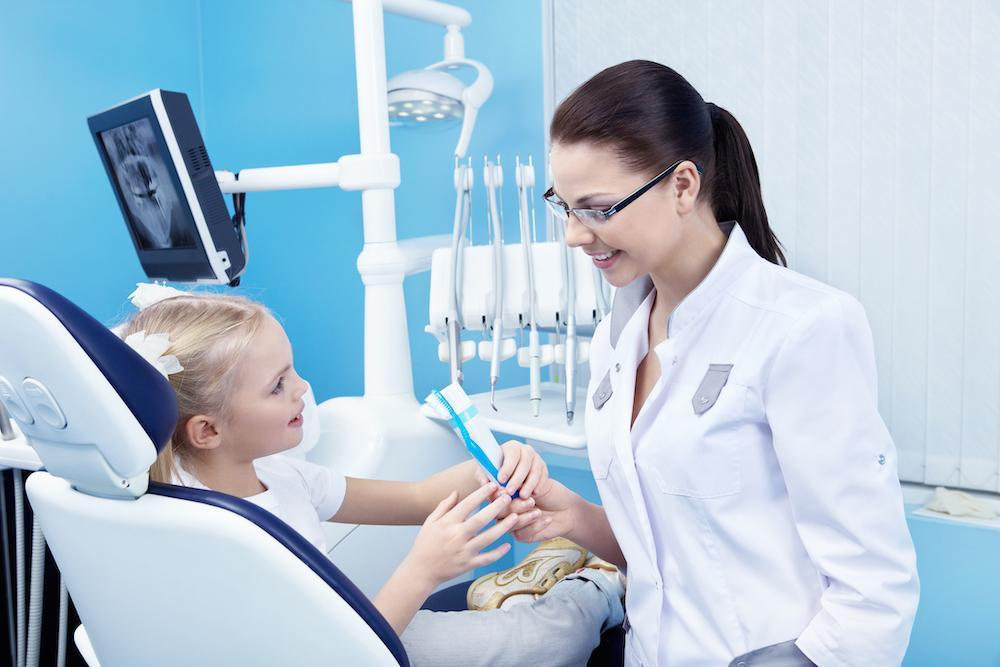
Healthy teeth do not happen by accident. They grow from simple habits and steady care. When you know what to ask for at each visit, you protect yourself and your children from pain, missed school, and costly work later. This blog explains 6 preventive treatments that dentists suggest for families. You learn what each treatment does. You also learn when you or your child might need it. If you see a dentist in Westwood, NJ, these are the same treatments you will likely hear about during a checkup. You can use this guide before your next visit. You can use it to ask clear questions and make calm choices. Strong teeth help your child eat, sleep, and speak without fear. Strong teeth help you work and care for others without extra stress. Prevention gives your family comfort, control, and peace.
1. Regular checkups and cleanings
Checkups and cleanings are the base of family care. You and your children need them at least two times each year.
- The dentist checks for cavities, gum disease, and early signs of other problems.
- The hygienist removes plaque and tartar that brushing and flossing miss.
- You get simple tips that fit your home routine.
Early problems do not hurt at first. You often do not see them in the mirror. Regular exams catch small trouble before it becomes a crisis.
2. Fluoride treatments
Fluoride is a natural mineral. It makes tooth enamel harder. It helps repair the first tiny marks of decay before they turn into holes.
At a visit, the dentist may paint fluoride on your child’s teeth. It can be a gel, foam, or varnish. The process is quick and painless.
Fluoride treatments help when:
- Your child has a history of cavities.
- You live where the water has low fluoride.
- Brushing habits are not yet strong.
The National Institute of Dental and Craniofacial Research explains how fluoride lowers cavities in both baby and adult teeth.
3. Dental sealants for children
Sealants are thin plastic coatings that cover the chewing surface of back teeth. They block food and germs from getting into deep grooves.
Dentists place sealants on adult molars soon after they come in. This often starts around age 6 and again around age 12.
Sealants help when:
- Your child has deep grooves in molars.
- There is a family history of many cavities.
- Brushing is rushed or uneven.
The process is simple. The dentist cleans the tooth. Then the dentist applies a gentle gel, rinses, dries, and paints on the sealant. A light hardens it in seconds. There is no numbing and no drilling.
4. X‑rays on a set schedule
X‑rays help the dentist see between teeth and under the gums. They show decay, infection, and how adult teeth form.
Your dentist chooses how often to take X‑rays based on:
- Age
- Risk for cavities
- History of dental work
Children often need them more often because teeth and jaws change fast. Adults with low risk may need them less often. Modern X‑rays use very low radiation. You also wear a shield for extra protection.
5. Custom mouthguards
Sports and rough play can crack or knock out teeth. A custom mouthguard lowers that risk.
The dentist takes a mold of your child’s teeth and sends it to a lab. The guard fits snug and stays in place during sports. You can use it for:
- Soccer
- Basketball
- Football
- Skateboarding or biking
Adults who grind or clench at night can also use special night guards. These protect enamel and lower jaw pain.
6. Simple home care planning
Home habits decide if office treatments work. Your dentist can help you build a routine that you can keep.
A strong plan usually includes:
- Brushing teeth two times each day with fluoride toothpaste.
- Flossing one time each day.
- Limiting sugary drinks and snacks.
- Using tap water that has fluoride when possible.
With children, you may need to brush for them until they can tie their own shoes. You can then check and coach until brushing is steady and complete.
How common treatments compare
You can use this simple table to see how key treatments help your family and when they start.
| Treatment | Main purpose | Usual starting age | How often |
|---|---|---|---|
| Checkup and cleaning | Find problems early and remove plaque | First tooth or by age 1 | Every 6 months |
| Fluoride treatment | Strengthen enamel and stop early decay | Preschool age | Every 3 to 12 months, based on risk |
| Sealants | Protect chewing surfaces of back teeth | About age 6 and again about age 12 | Check at each visit. Replace if worn. |
| X‑rays | See decay and growth you cannot see in a mirror | Early childhood if risk is present | Every 1 to 3 years, based on risk |
| Mouthguard | Prevent broken or lost teeth during sports | When child starts contact sports | Daily use during play. Replace as child grows. |
| Home care plan | Keep teeth clean between visits | Infancy with parent help | Every day |
How to use this information at your next visit
You do not need to ask for every treatment at once. You can start with three steps.
- First, schedule regular checkups for every family member.
- Second, ask your dentist which treatments match each person’s risk.
- Third, set simple home rules for brushing, flossing, and snacks.
When you plan early, you avoid rushed choices later. You save money, time, and energy. Most of all, you give your family steady comfort and strong teeth that last.